


 Germany (€)
Vehicle Search


Thesis HV venti
Technical Highlights
- 2-channel amplifier, 1600W RMS, dual mono design.
- Class A preamplifier, MOSFET-BJT hybrid, 90V supply.
- Symmetrical input circuit, 100 dB SNR, 0.05% THD.
- More technical details
 Pay conveniently in 12 interest-free installments at €915,83 with Klarna .

Availability for pickups could not be loaded.



Shipping cost calculator
Shipping cost calculator

Rob

Max
Unsure if this product fits your car?
We help you – quickly, personally, and without obligation.
Fill out the form and we'll send you a personalised offer
This product is not universally compatible. Send us your vehicle details and we will check fitment for your model free of charge.


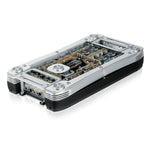
Thesis HV venti by Audison
Thesis HV venti is a 2-Channel Amplifier from Audison with dual-mono construction and four synchro-PWM power supplies. The MOSFET-BJT hybrid configuration uses discrete IGBTs, two Hitachi DMOS, and two pairs of complementary Sanken Power BJTs, each designed for 30 A peak current and 200 W power loss. The Class A preamplifier and driver is symmetrically built up to the driver outputs, with 90 V supply for the front-end stage and two separate channels. A separate 150 V power supply is thermally stabilized and biased in Class A. The symmetrical input combines a complementary JFET differential and a complementary BJT differential; the voltage amplifier is implemented as a cascode with a buffer. The output power is 400 W x 2 at 4 Ohm, 800 W x 2 at 2 Ohm, and 900 W x 1 at 4 Ohm at 14.4 VDC and 1% THD, with a total RMS power of 1600 W. The bandwidth is 4 Hz to 75 kHz, the S/N ratio is 100 dB, and the damping factor is 80. Additional features include fully relay-switched signal routing, exclusively discrete components, Dual Power and Bias Selector functions, Hi and Low Level inputs, and a 5 mm aluminum housing with two side cooling channels.
- 2-Channel Amplifier
- Dual-mono construction with four synchro-PWM power supplies
- MOSFET-BJT hybrid configuration with discrete IGBTs; two Hitachi DMOS drive two pairs of complementary Sanken Power BJTs (each 30 A peak current, 200 W power loss)
- Class A preamplifier and driver, symmetrically built up to the driver outputs
- Fully symmetrical input circuit with complementary JFET differential (first stage) and complementary BJT differential (second stage)
- Voltage amplifier as a cascode with buffer to drive the output stage
- Separate power supply: 90 V for front-end and channels; separate 150 V power supply, thermally stabilized and biased in Class A
- Manufactured exclusively with discrete components; signal routing exclusively via relays
- Power supply on a separate board
- Dual Power function to switch between Hi-Current and Hi-Power
- Bias Selector to change the Class A percentage
- Hi Level Input and Low Level Input
- High-quality Crossover module included
- 5 mm aluminum housing with two side cooling channels
- Channels: 2
- Amplifier Class: A-Class
- Hi Level Input: Yes
- Low Level Input: Yes
- Digital Input: No
- Supply Voltage: 11–16 VDC
- Idle Current: 4.2 A
- Idle Current when Off: 0.006 mA
- Power Consumption at 14.4 VDC, 2 Ohm, maximum music power: 90 A
- Remote IN: 7–16 VDC, 1 mA
- Distortion (THD) @ 100 Hz, 4 Ohm, 70% rated power: < 0.05 %
- Bandwidth (-3 dB, 2 VRMS, 4 Ohm): 4 Hz – 75 kHz
- Signal-to-Noise Ratio (A-weighted @ 1 V): 100 dB
- Damping Factor (1 kHz, 4 Ohm): 80
- Input Sensitivity (Pre-In high): 0.25 – 1.6 VRMS
- Input Sensitivity (Pre-In low): 1 – 7 VRMS
- Total RMS Power: 1600 W
- Output Power (RMS) @ 14.4 VDC, 1% THD, 2 channels at 4 Ohm: 400 W x 2
- Output Power (RMS) @ 14.4 VDC, 1% THD, 2 channels at 2 Ohm: 800 W x 2
- Output Power (RMS) @ 14.4 VDC, 1% THD, 1 channel at 4 Ohm: 900 W x 1
- Adjustable Crossover: No
- Input Type: Pre IN L/R (ABS)
- Outputs: Pre OUT (pre in bypass) L/R (ABS)
- Filter Pass A: High-pass & Low-pass stereo 45 / 55 / 65 / 80 Hz, 12 dB/Oct.
- Filter Pass B: Low-pass mono 45 / 55 / 65 / 80 Hz, 24 dB/Oct.
- Fuse: 100 A
- Other Functions: Demo mode ext. supply: 12 VDC, 600 mA; Ext. Cap terminals: 18 VDC cap min
- Weight: 15 kg
- Dimension A: 510 mm
- Dimension B: 85 mm
- Dimension C: 280 mm
Your benefits at Masori





Audison Thesis HV venti Datasheet
Open datasheetFrequently Asked Questions about Thesis HV venti
How does the dual-mono construction work in the Thesis HV venti Amplifier?
How does the dual-mono construction work in the Thesis HV venti Amplifier?
What power ratings does the Thesis HV venti provide at 2 Ohm and 4 Ohm?
What power ratings does the Thesis HV venti provide at 2 Ohm and 4 Ohm?
What features does the preamplifier of the Thesis HV venti offer?
What features does the preamplifier of the Thesis HV venti offer?
What input options does the Audison Thesis HV venti offer?
What input options does the Audison Thesis HV venti offer?
How does the HV venti ensure a low distortion rate at high power?
How does the HV venti ensure a low distortion rate at high power?
What role does the MOSFET-BJT hybrid configuration play in the Thesis HV venti?
What role does the MOSFET-BJT hybrid configuration play in the Thesis HV venti?
What crossover functions does the Audison Thesis HV venti offer?
What crossover functions does the Audison Thesis HV venti offer?
How does the Thesis HV venti optimize sound quality with its symmetrical circuit?
How does the Thesis HV venti optimize sound quality with its symmetrical circuit?
What are the dimensions of the Thesis HV venti and what should be considered during installation?
What are the dimensions of the Thesis HV venti and what should be considered during installation?
How do the Synchro-PWM power supplies affect the performance of the Thesis HV venti?
How do the Synchro-PWM power supplies affect the performance of the Thesis HV venti?
Manufacturer information / responsible person
Manufacturer information / responsible person
Let customers speak for us
Magnifico producto, aunque el envio fuemuy lento
kicsit sokára de megérkezett
Schnelle Lieferung
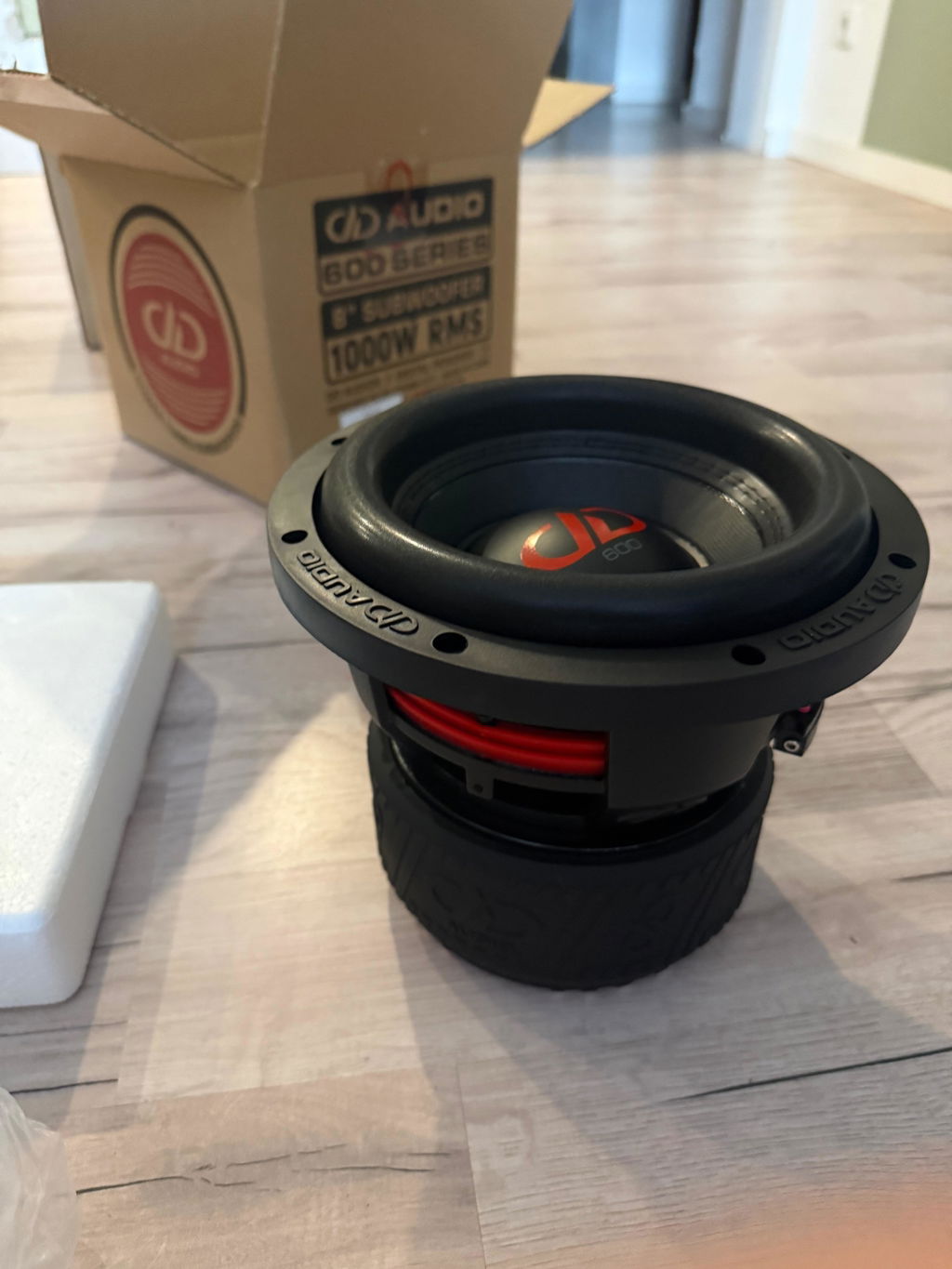
Die subwoofer sind super verarbeitet.
Fixe
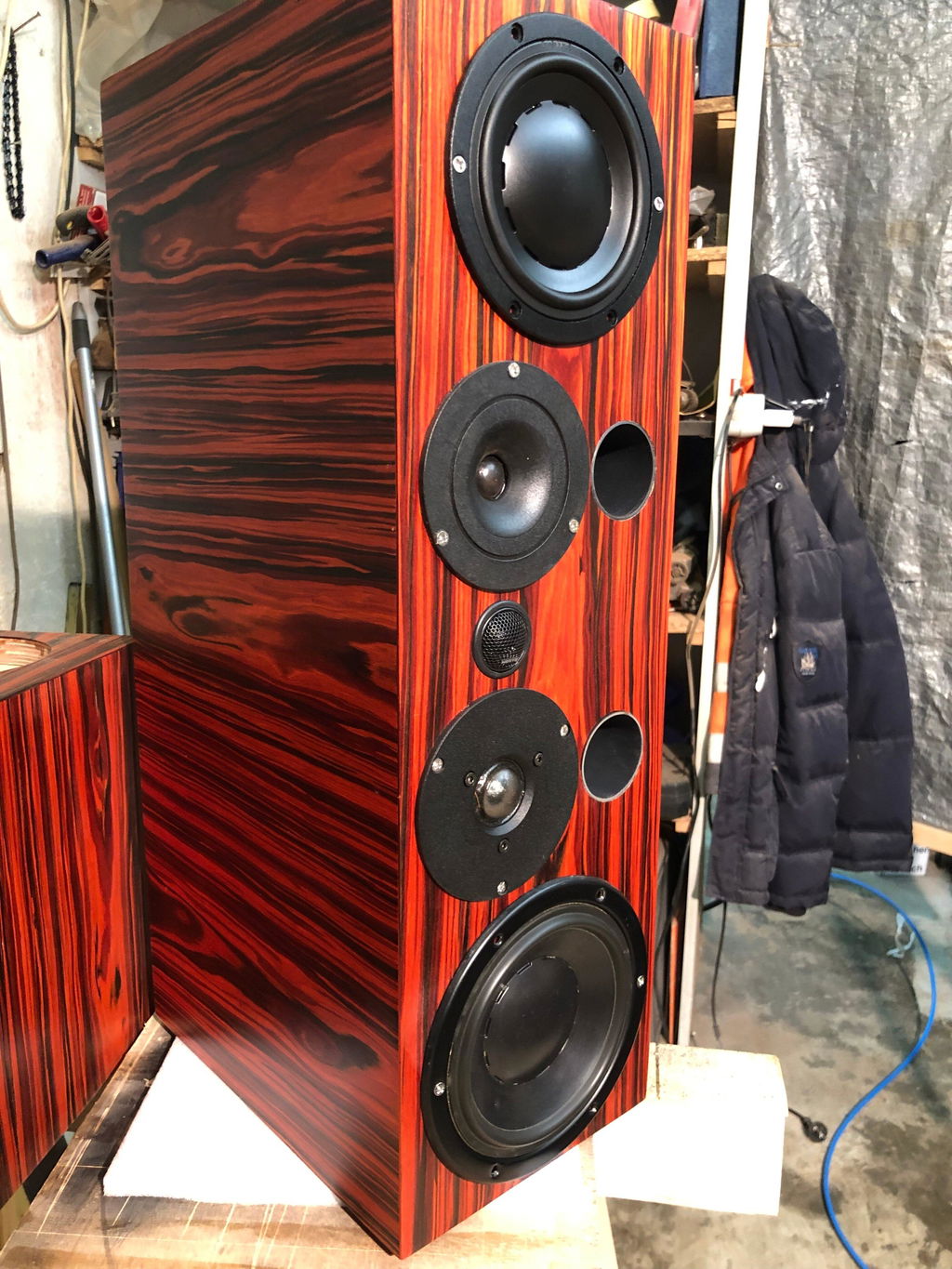
Diese kleinen Superhochtöner halten Einzug in die Welt der High-End Lautsprecherboxen. Mit dem kristallklaren Sound eingesetzt ab 10.000Hertz bringen sie, sowohl frontal als auch rückwärtig eingesetzt, einen ungeahnten Glanz in jede Aufnahme. Mit geänderter Weiche sind sie zu 100% empfohlen.
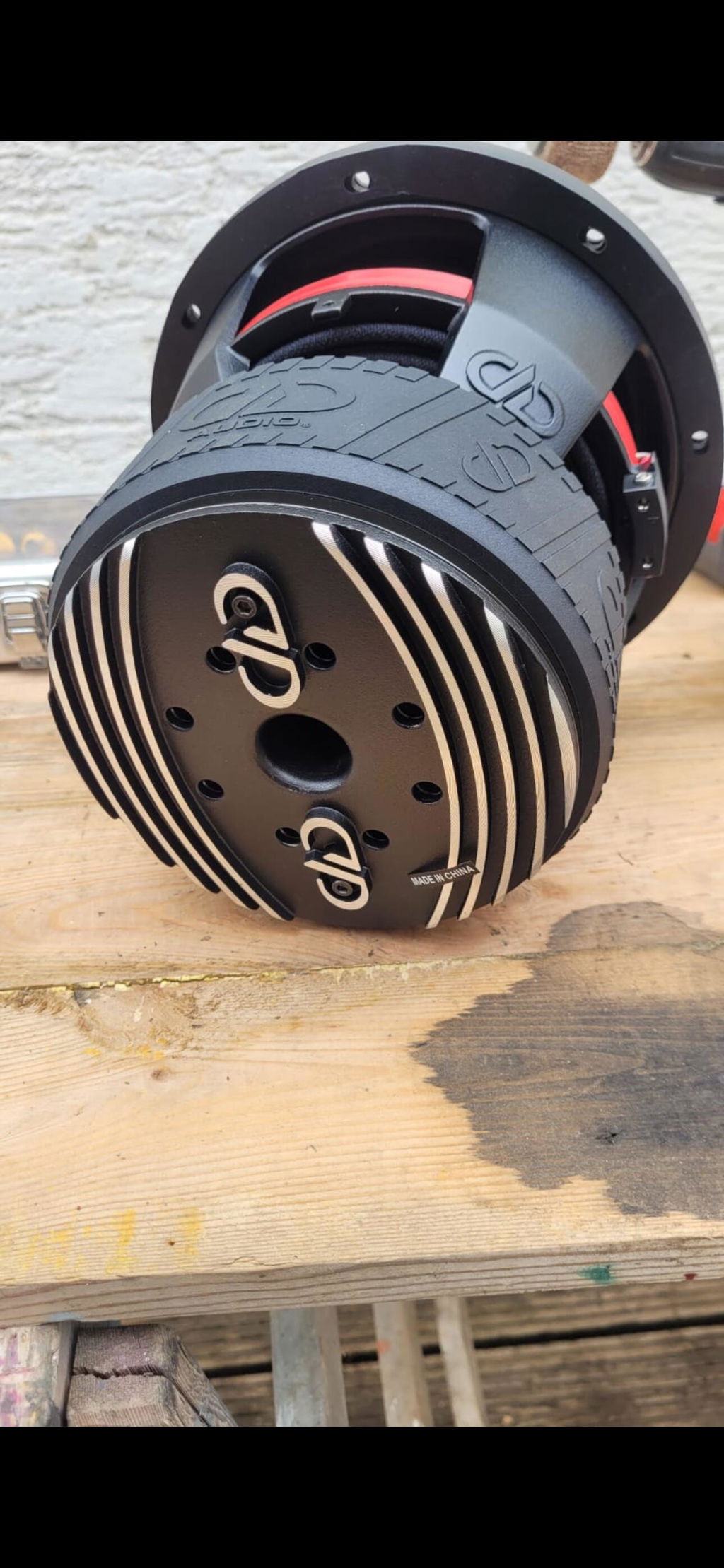
Also Verarbeitung ist super und der kleine hat richtig wumms
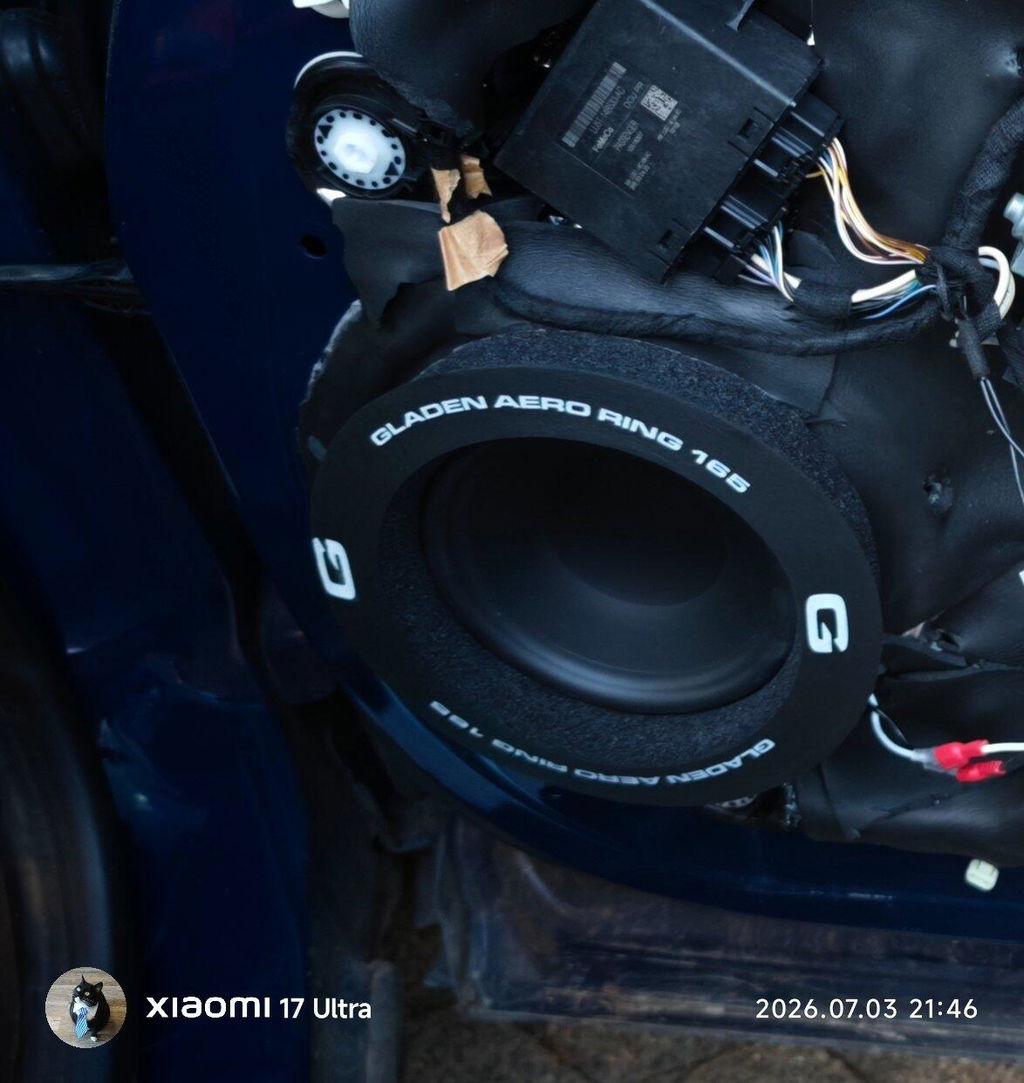
Super Produkt, sehr flexibel und bleibt auch sehr gut
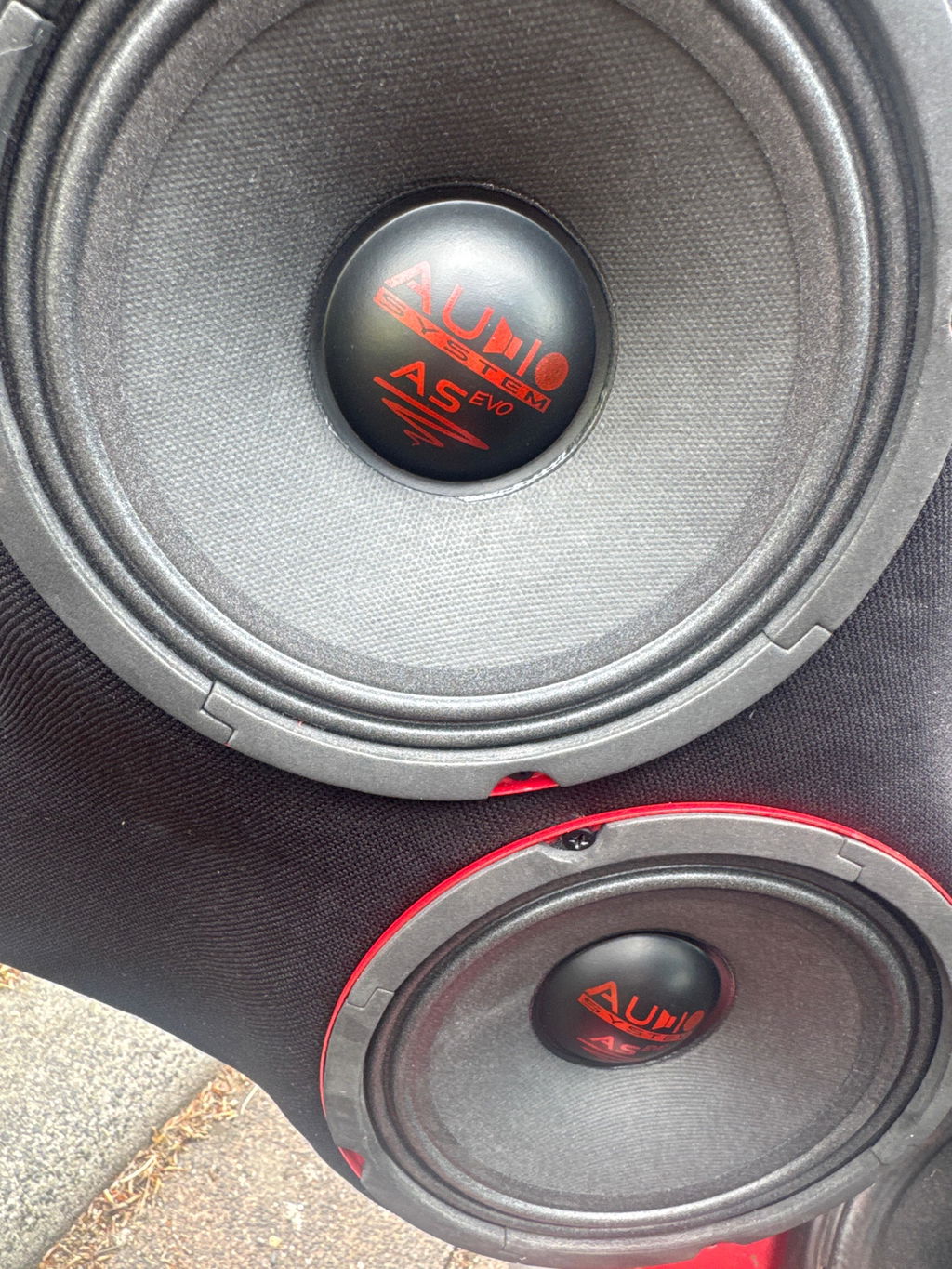
Preis Leistung super
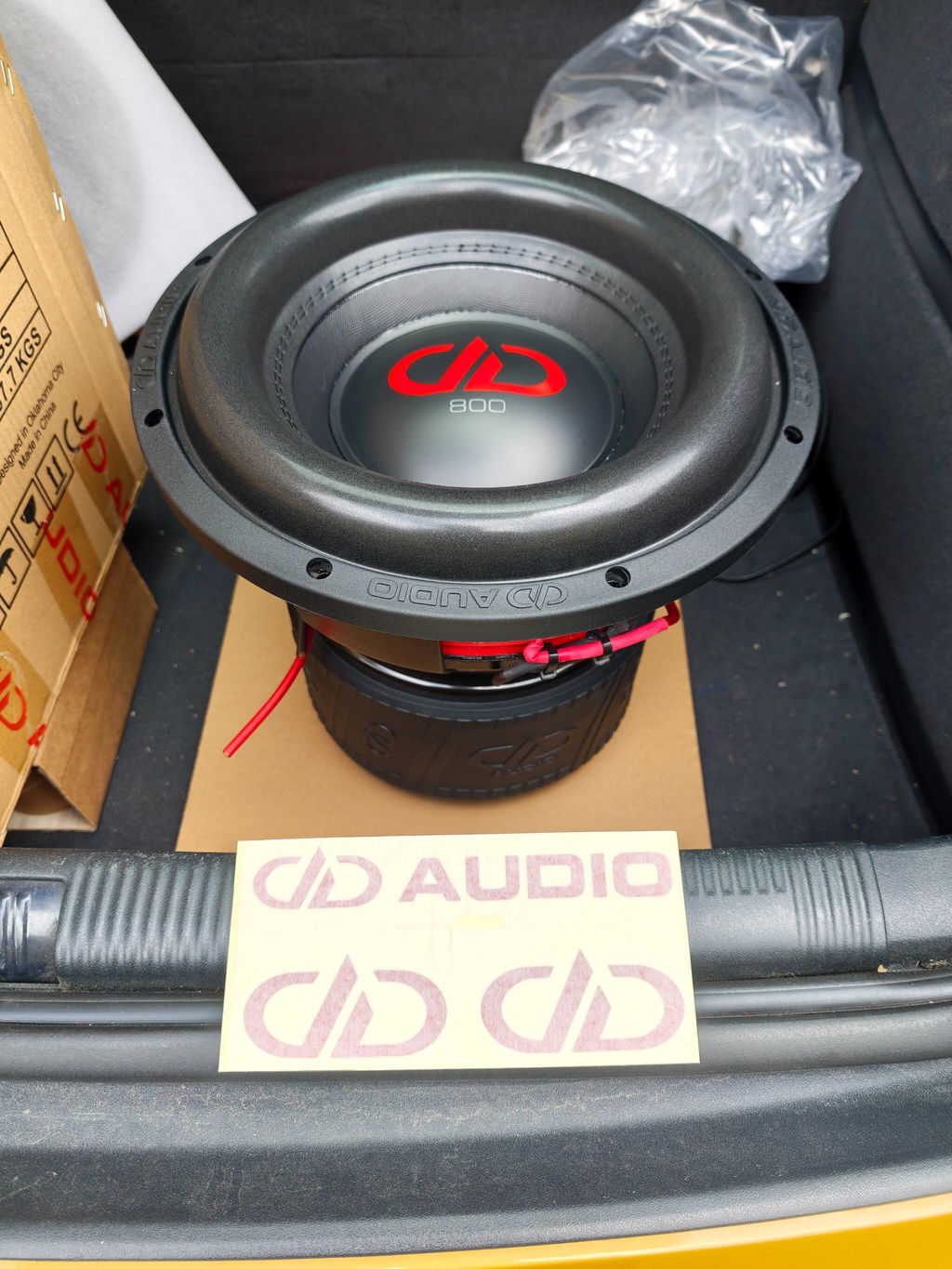
Ich habe mir den bestellt weil ich ihn bei mein Kumpel im Auto gehört habe und ich sehr zufrieden damit bin. Nach der Bestellung hat es 2 Wochen gedauert bis er da war. Ganz schöner oschi 😄 der auch einiges an Gewicht mit sich bringt.
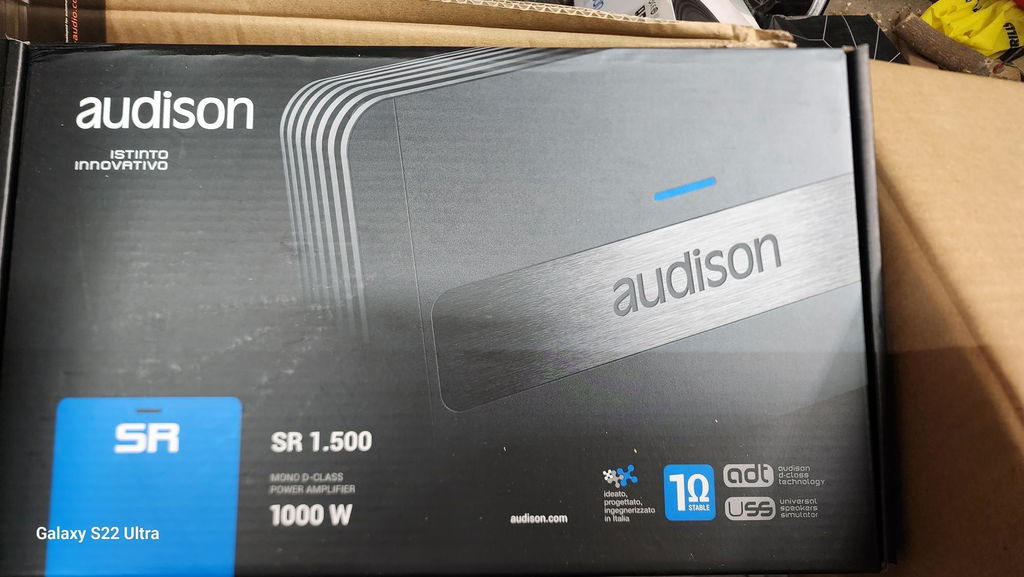
Lots of clean power!! I will be running it at 1ohm, tuned by the M8.14 dsp amp that I also purchased from Masori. It's going to push my subs hard with musical precision!! Everything I have purchased at Masori has arrived in pristine conditon, packed incredibly well for safe shipping. Excellent shopping experience!!
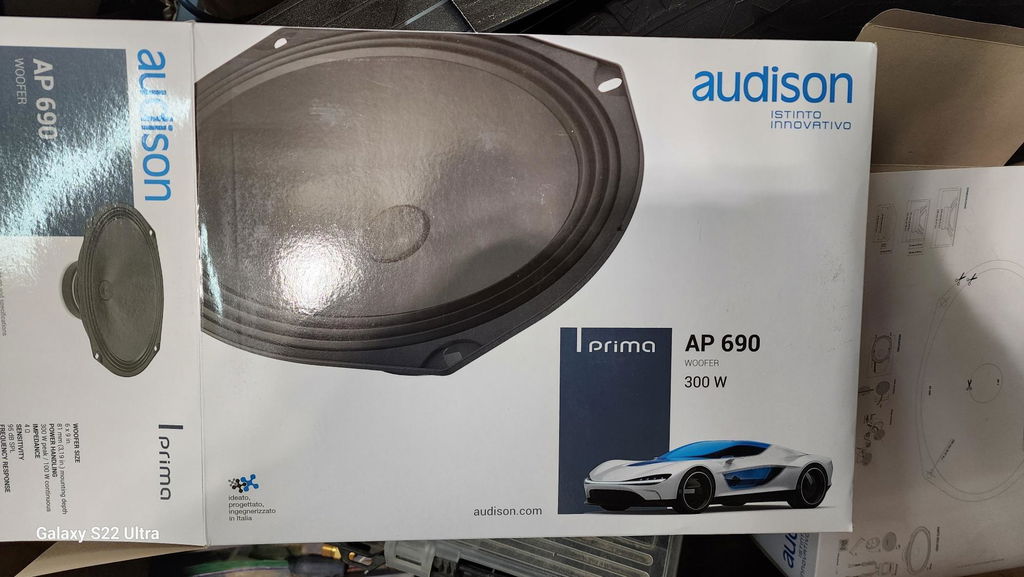
These are amazing. I replaced my stock speakers with 1 in each of the four doors of my truck. Make sure you sound deaden your doors first. The mid-bass is INCREDIBLE!!!
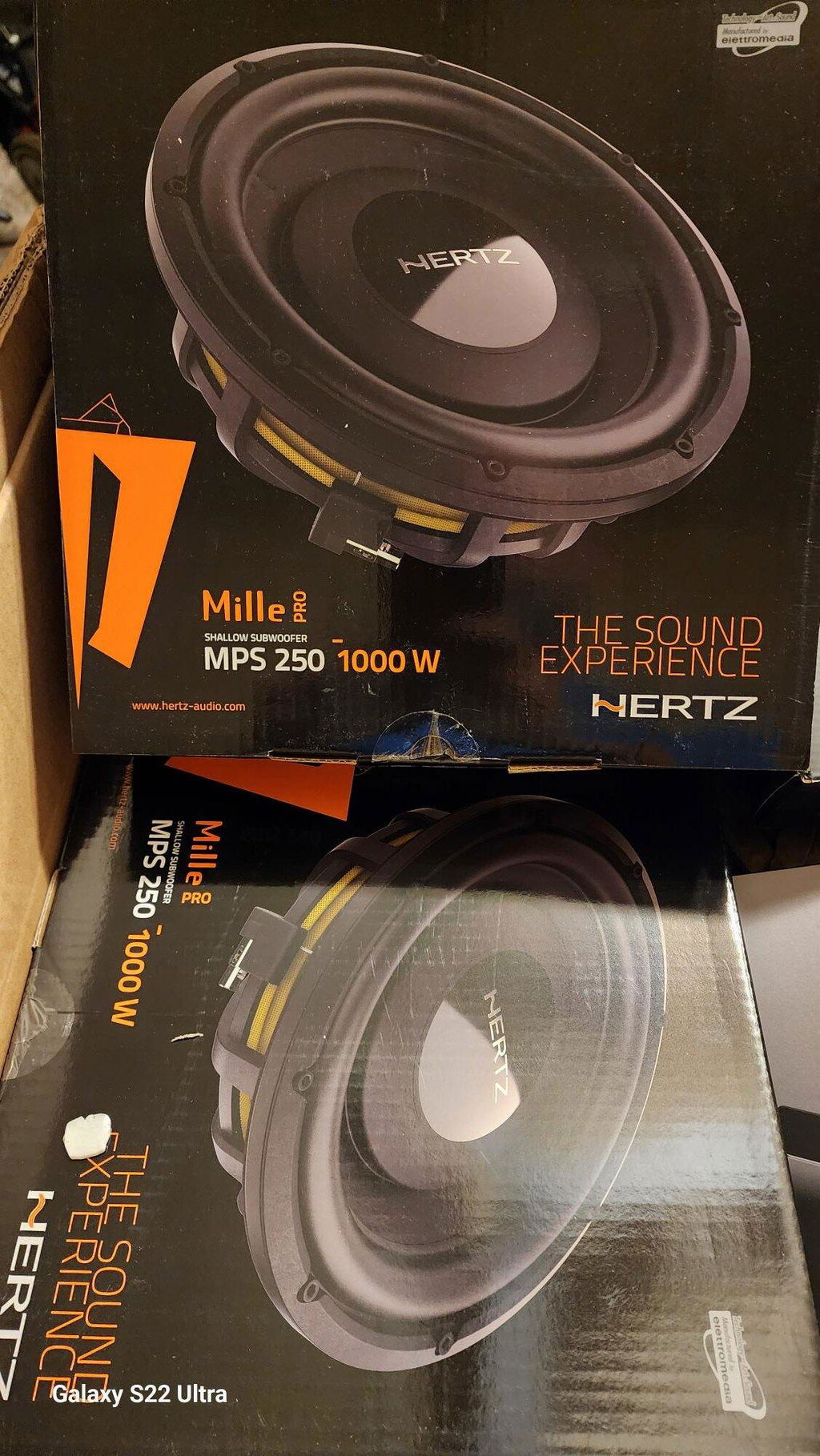
5 Star Subwoofers!! I bought 2 of the 2ohm version. They will be run in parallel down to 1ohm, which will make my Audison SR1.500 shine. Perfect in a sealed box if you like a kick in the back!!
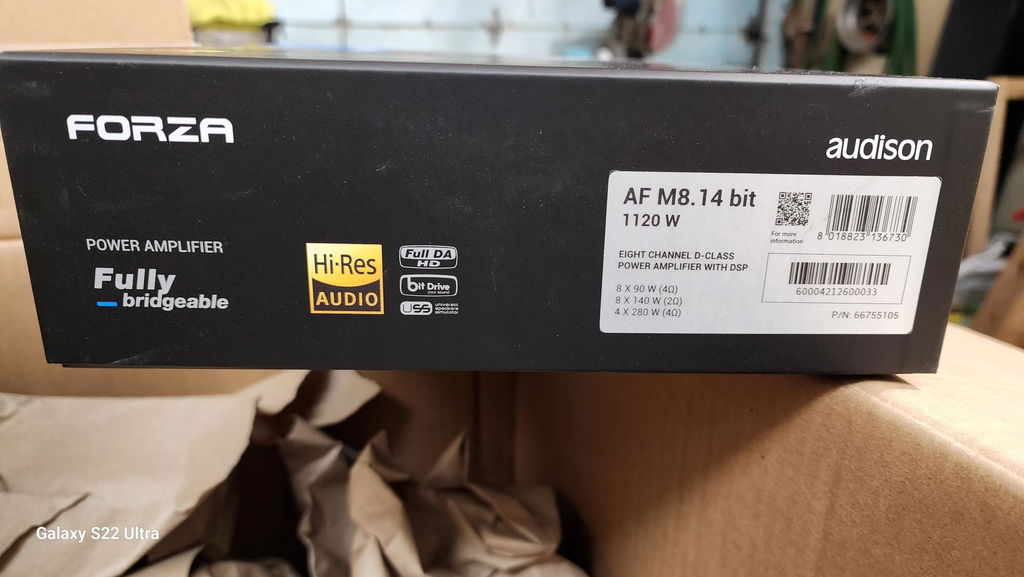
This amplifier is going to be the brains behind the whole system. It has a 8 amplified channels and a 14 channel dsp. It will provide the proper tuning to an external 4 channel amp, as well as the mono block for the subs. it arrived quickly and in pristine condition!!
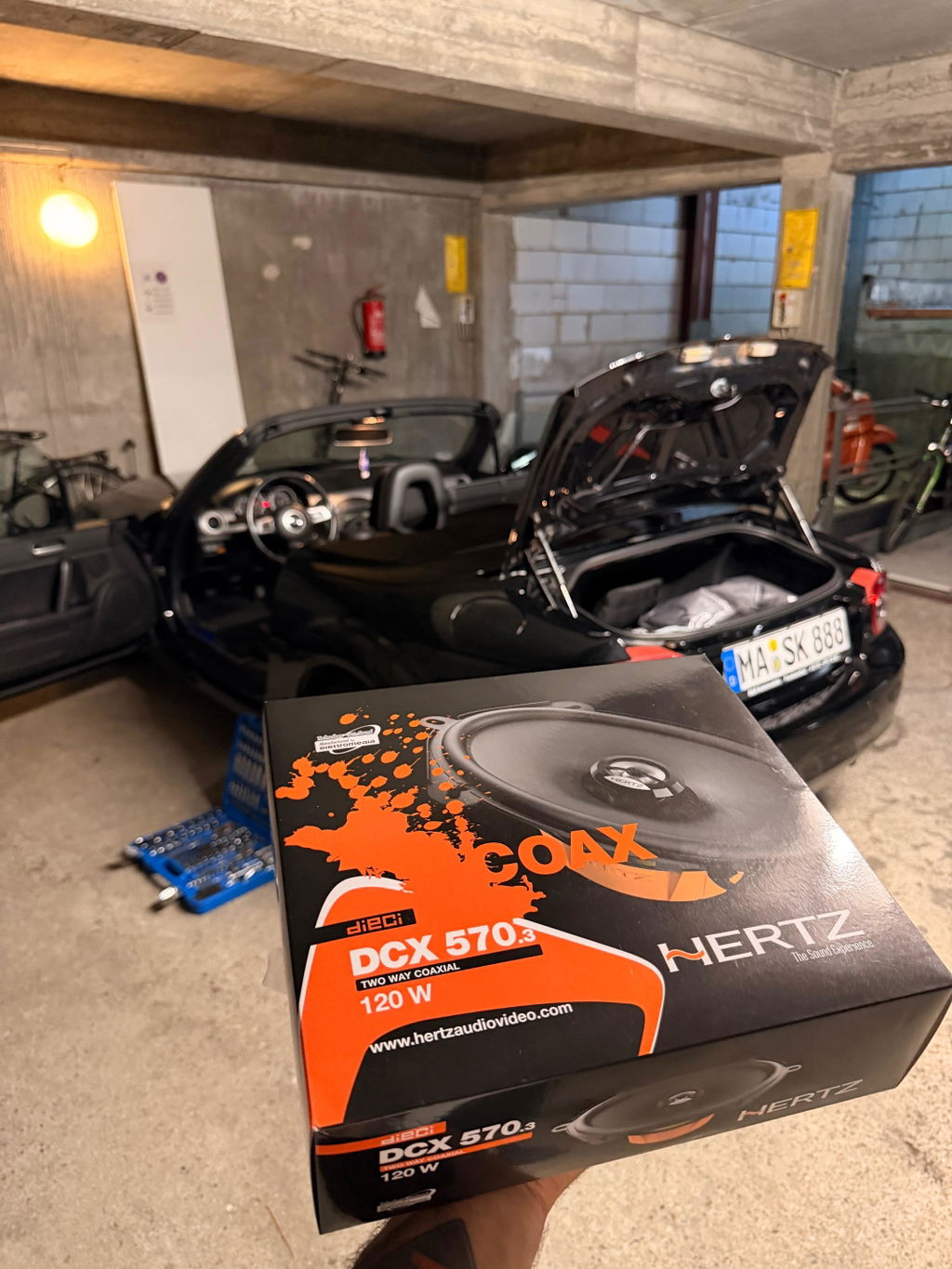
Everything is okay, for Mazda MX5 2010