 Germany (€)
-

 Normal price €149.31Normal price
€199.-Selling price €149.31100 WattSALE -25% -

 Normal price €134.67Normal price
€189.-Selling price €134.67125 WattSALE -29% -

 Normal price €133.06Normal price
€179.-Selling price €133.06100 WattSALE -26% -

 Normal price €426.55Normal price
€499.-Selling price €426.55120 WattSALE -15% -
-

 Normal price €84.78Normal price
€119.-Selling price €84.78100 WattSALE -29% -
-

 Normal price €69.-Normal price
€69.-Selling price €69.-75 WattDelivered automatically as soon as available from the supplier. -

 Normal price €106.61Normal price
€139.-Selling price €106.6195 WattSALE -23% -

 Normal price €872.03Normal price
€1100.-Selling price €872.03100 WattSALE -21% -

 Normal price €129.20Normal price
€159.-Selling price €129.2065 WattSALE -19%Delivered automatically as soon as available from the supplier. -
-
-
-
-

 Normal price €469.-Normal price
€469.-Selling price €469.-150 Watt -
-
-
-
-
-

 Normal price €53.10Normal price
€59.-Selling price €53.1070 WattSALE -10%Delivered automatically as soon as available from the supplier. -


6.5-inch coaxial speakers – Simply upgrade, sound better immediately
6.5-inch (16.5 cm) coaxial speakers are the simplest and fastest solution for better sound in the car. Since the tweeter and mid-bass driver are on the same axis and the frequency separation is integrated, many models fit directly into the original spots. Installation is straightforward, and your car will sound clearer without changing the look.
Our Portfolio in the Masori Shop
In the Masori shop, you will find a wide selection: from affordable upgrades for factory systems to powerful sets for ambitious sound enthusiasts. With practical filters for power, sensitivity, installation depth, and impedance, you can find the exact model that fits your vehicle and music taste in just a few clicks.

Coaxial vs. Component – which is better?
Coaxial speakers score with easy installation, high everyday usability, and fair prices. They are ideal if you want to quickly switch from "factory sound" to "noticeably better" without running cables or modifying A-pillars. Component systems (separate tweeter) deliver even more stage and detail but require a bit more installation effort. For many vehicles, the 6.5-inch coax is the perfect sweet spot of effort, price, and sound.
The finishing touch for your sound
6.5-inch coaxials are available as 2-way (classic) and 3-way (additional super tweeter). Membrane materials like polypropylene or fiberglass sound controlled and robust, while coated paper often sounds particularly natural and vibrant. Silk dome tweeters sound fine and soft, while aluminum/ceramic provide more "bite" and presence. Powerful drives (ferrite or neodymium) and larger voice coils ensure level stability. This is especially beneficial for hip-hop fans and if you enjoy a loud soundscape.
Which 6.5-inch coaxial speakers are right for you?
|
Usage Profile |
Recommended RMS Power |
Recommended Sensitivity |
Practical Tip (Filter) |
Typical Installation Effort |
Brand Notes* |
|
Replacement, Budget |
40–70 W |
≥ 90 dB |
High-Pass 80–100 Hz at the Radio |
low |
Renegade, Audio System, Hertz |
|
Everyday & all-round |
60–100 W |
88–92 dB |
HPF 70–90 Hz, possibly slight EQ reduction 3–5 kHz |
low–medium |
Focal, Rockford Fosgate, Audio System |
|
Level-stable & bass-oriented |
80–120 W |
86–90 dB |
HPF 70–80 Hz, clean gain adjustment |
medium |
DD Audio, Audison, Morel |
|
Sound focus (SQ-oriented) |
60–120 W |
87–92 dB |
HPF 70–90 Hz, fine EQ/DSP tuning |
medium |
Morel, Focal, Audison |
*Examples – the specific selection depends on vehicle, installation depth, and impedance.

Power data, load capacity & sound – what really matters
The technical specifications tell you how well a coaxial performs in everyday use. RMS is the benchmark: it shows the true continuous power. For punchy everyday setups, models starting from ~80 W RMS are recommended, while 50–60 W RMS is sufficient for factory radios and moderate volumes. A larger voice coil (e.g., 30–35 mm) and a strong magnet (ferrite/neodymium) increase control and level stability. The mids remain clean, and the mid-bass stays tight.
- Typical RMS range: 50–120 W (Car audio practice)
- Frequency range: approx. 45 Hz to > 20 kHz for a wide sound spectrum
- Sensitivity: 86–92 dB (1 W/1 m) – important for volume at the factory radio
-
Impedance: 2, 3, or 4 ohms – determines the amplifier connection and available power
Active control & DSP
Those who want to get the maximum out of it separate with an external crossover or DSP even more precisely. This allows for smoothing out peaks, adjusting time delays, and centering the soundstage. Manufacturers like Audison (e.g., bit technology) or Hertz/Audio System offer excellently integrable solutions for this.
Brands in the Masori shop
- Audison – audiophile, strong DSP, very cleanly tuned
- Audio System – robust, level-stable, strong price-performance ratio
- DD Audio – US power, high load capacity, powerful character
- Focal – precise, wide soundstage, high-quality materials
- Hertz – practical for everyday use, tuned, very good OEM suitability
- Morel – warm, natural, outstanding voice reproduction
- Renegade – budget-friendly, clear improvement over stock
-
Rockford Fosgate – robust, dynamic, lots of fun factor

Our tips for selection, installation & tuning
- Damping first: Alubutyl in the door brings more precision and level than any "max wattage."
- Check installation depth: 6.5 inches is standard, but depth/opening varies – adapter rings help with proper alignment.
- Set filters: Activate high-pass at 70–100 Hz on the radio/amplifier. This relieves the coax of deep bass and reduces distortion.
- Set gain correctly: Loud without clipping sounds better than "more" with distortion.
- Combine with subwoofer: A small active sub (underseat/spare tire) takes care of the deep bass – the coax plays cleaner and louder.
- Match impedance: 4 ohms is universal, 2/3 ohms can deliver more level on some OEM amps – always consider the vehicle specs.
-
DSP as fine-tuning: Time correction, subtle EQ – the stage "shifts" to the dashboard, voices are centered.
Short technical comparison: Coax 2-way vs. 3-way
2-way coaxials are the all-round standard: quick to install, very good price-sound ratio. 3-way coaxials often complement a super tweeter and can deliver even more brilliance at the top end. This is especially useful in vehicles where the tweeters are positioned very low or hidden behind grille structures. For pure everyday systems, 2-way is usually the best balance; those who prefer more brilliance should check 3-way models and tune with DSP.
We note
6.5-inch coaxial speakers are the fastest way to better sound in your car. They usually fit into the factory openings, are securely installed, and immediately deliver more clarity, dynamics, and fun. In the Masori shop, you will find everything from an affordable plug-and-play upgrade to a level-resistant premium coax that suits your vehicle and music style, including accessories and expert advice when you need it.
Passen 6,5-Zoll Koaxe in mein Auto?
Passen 6,5-Zoll Koaxe in mein Auto?
Reicht der Betrieb am Werksradio?
Reicht der Betrieb am Werksradio?
2, 3 oder 4 Ohm – was ist richtig?
2, 3 oder 4 Ohm – was ist richtig?
Wie wichtig ist Dämmung wirklich?
Wie wichtig ist Dämmung wirklich?
Koax oder Komponenten-System?
Koax oder Komponenten-System?
Welche Filtereinstellungen sind sinnvoll?
Welche Filtereinstellungen sind sinnvoll?
Welche Marken sind eine sichere Wahl?
Welche Marken sind eine sichere Wahl?
Let customers speak for us
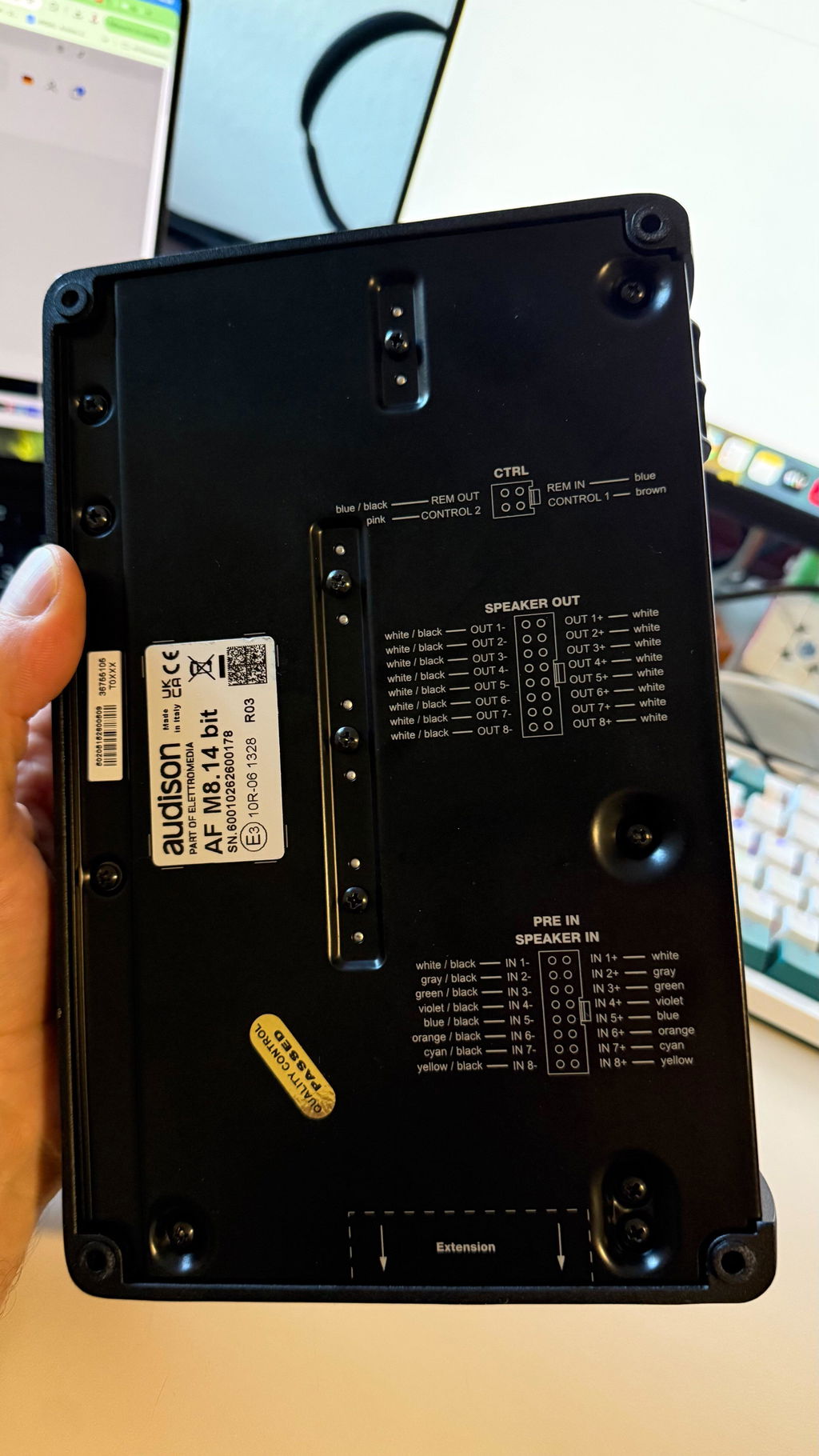
Dieser Audioprozessor ist ein Produkt von ausgezeichneter Qualität. Er ist nicht nur aus robustem Material gefertigt, sondern auch ästhetisch ansprechend.
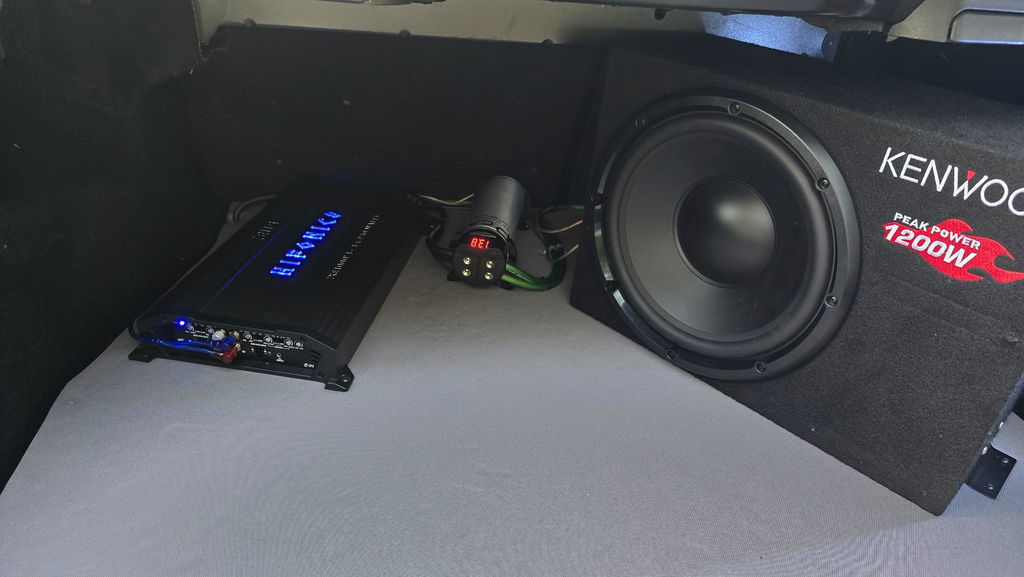
Alles top!
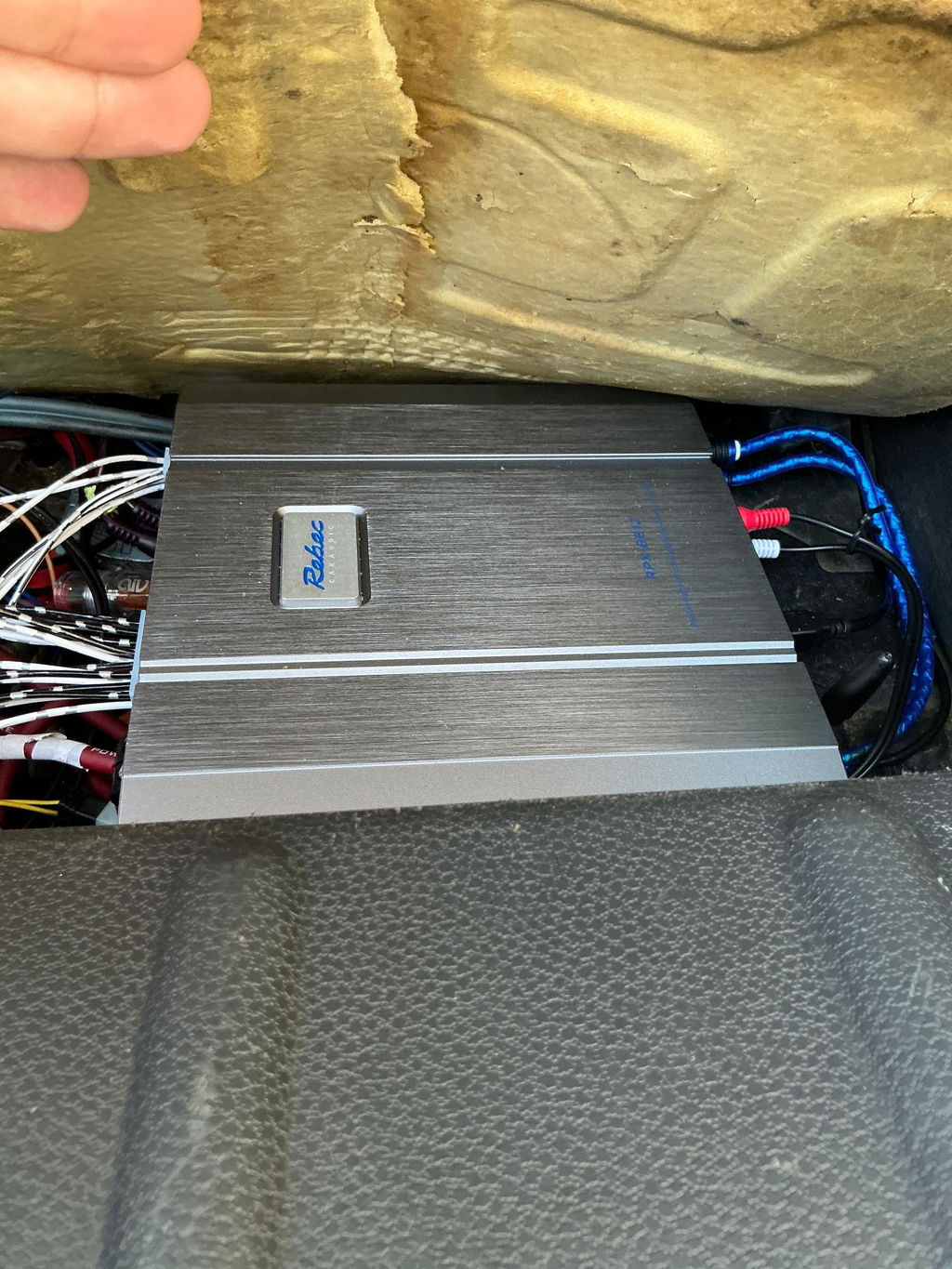
Preisleistung ist sehr gut
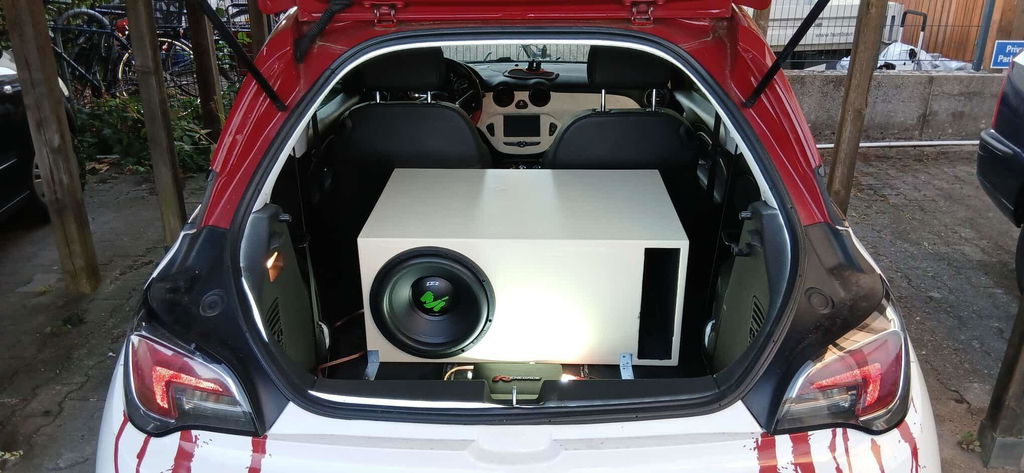
Preis/Leistung einfach extrem gut! Was man für knappe 100€ an Sub bekommt ist schon sehr vernünftig. Ich habe ihn über einen RECOIL RED1200 laufen lassen über 2ohm und der Feuert schon ziemlich gut. Ist in einem Adam S verbaut und einer reicht eigentlich schon aus. kommt natürlich mehr^^
Versand etc war alles Top, schnell und zuverlässig. Zahlung und Auftrag schnell bearbeitet!
Masori wird für mich meine erste (als Neuling) Anlaufstelle bei Neuteilen.
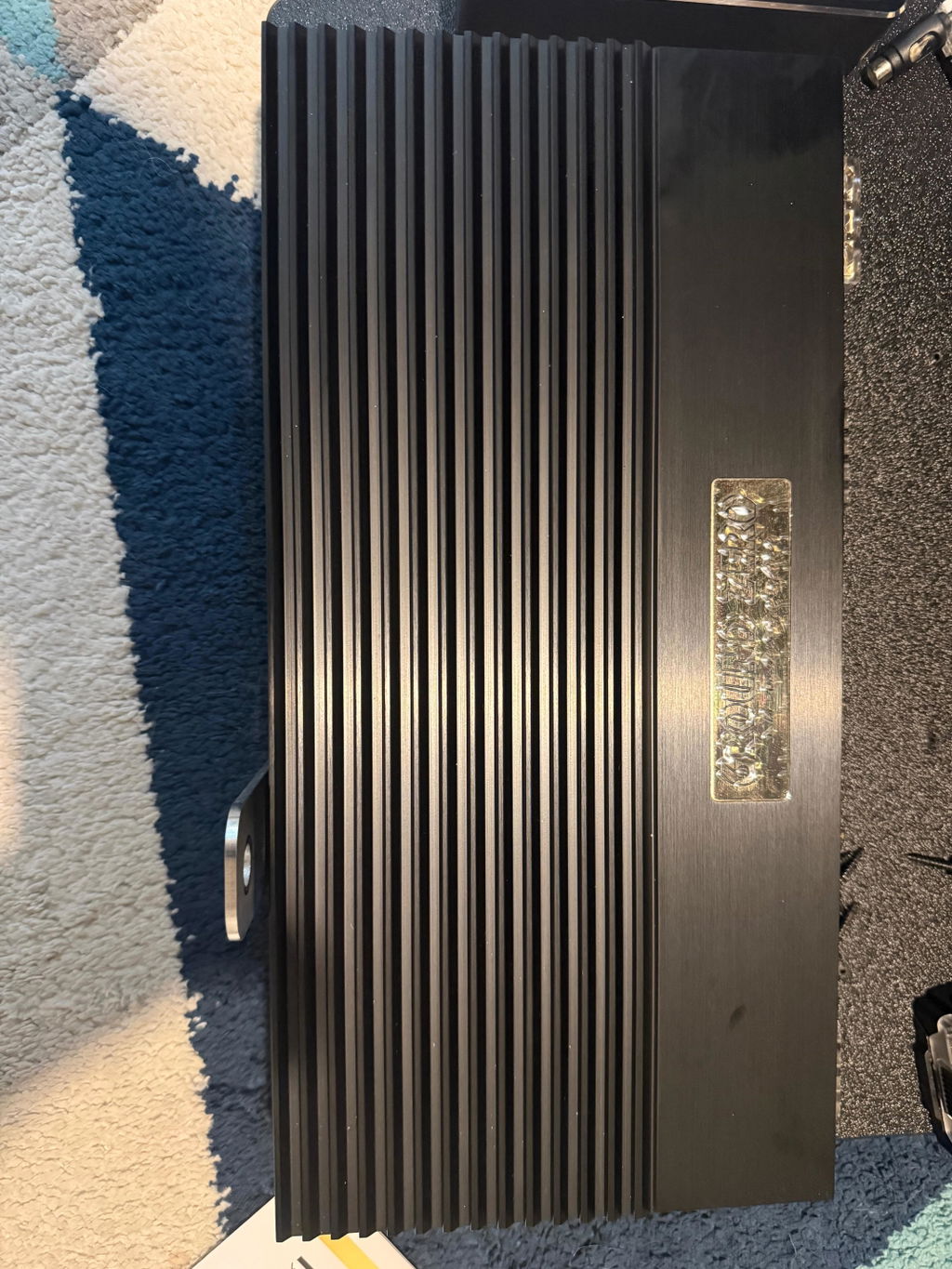
This amplifier is beautiful and well made, I can’t wait to hook it up and hear the sound! Matter of fact I’m about to order another one!
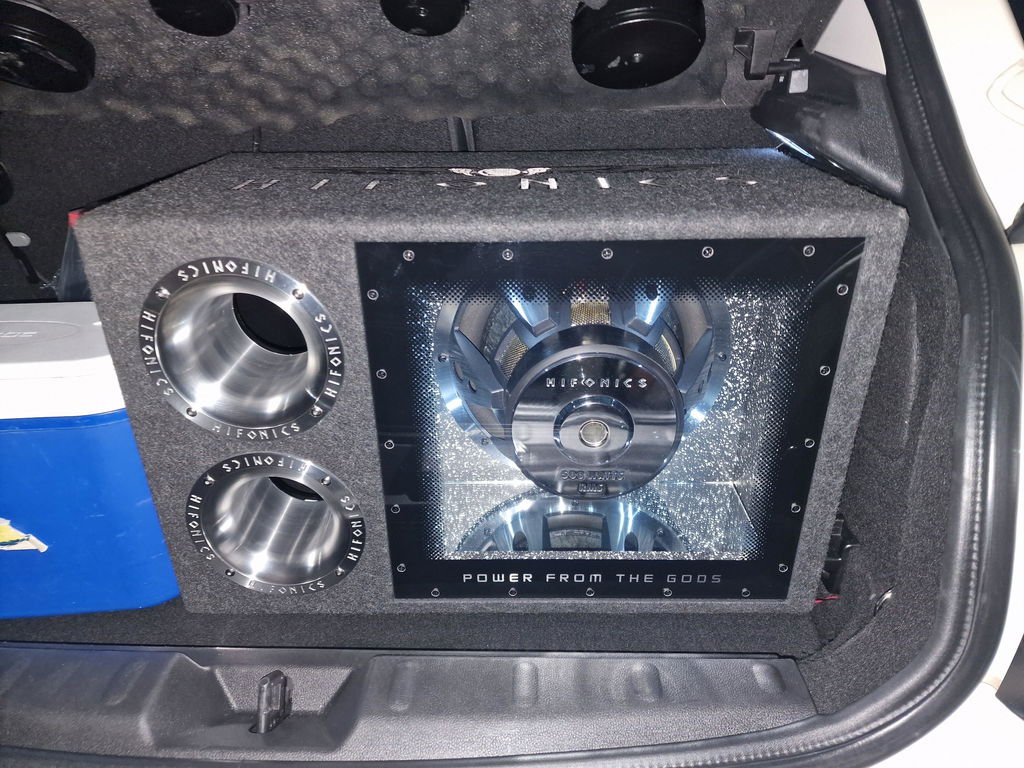
Muy buen producto, es un sonido con bajos fuertes sin perder dalidad.
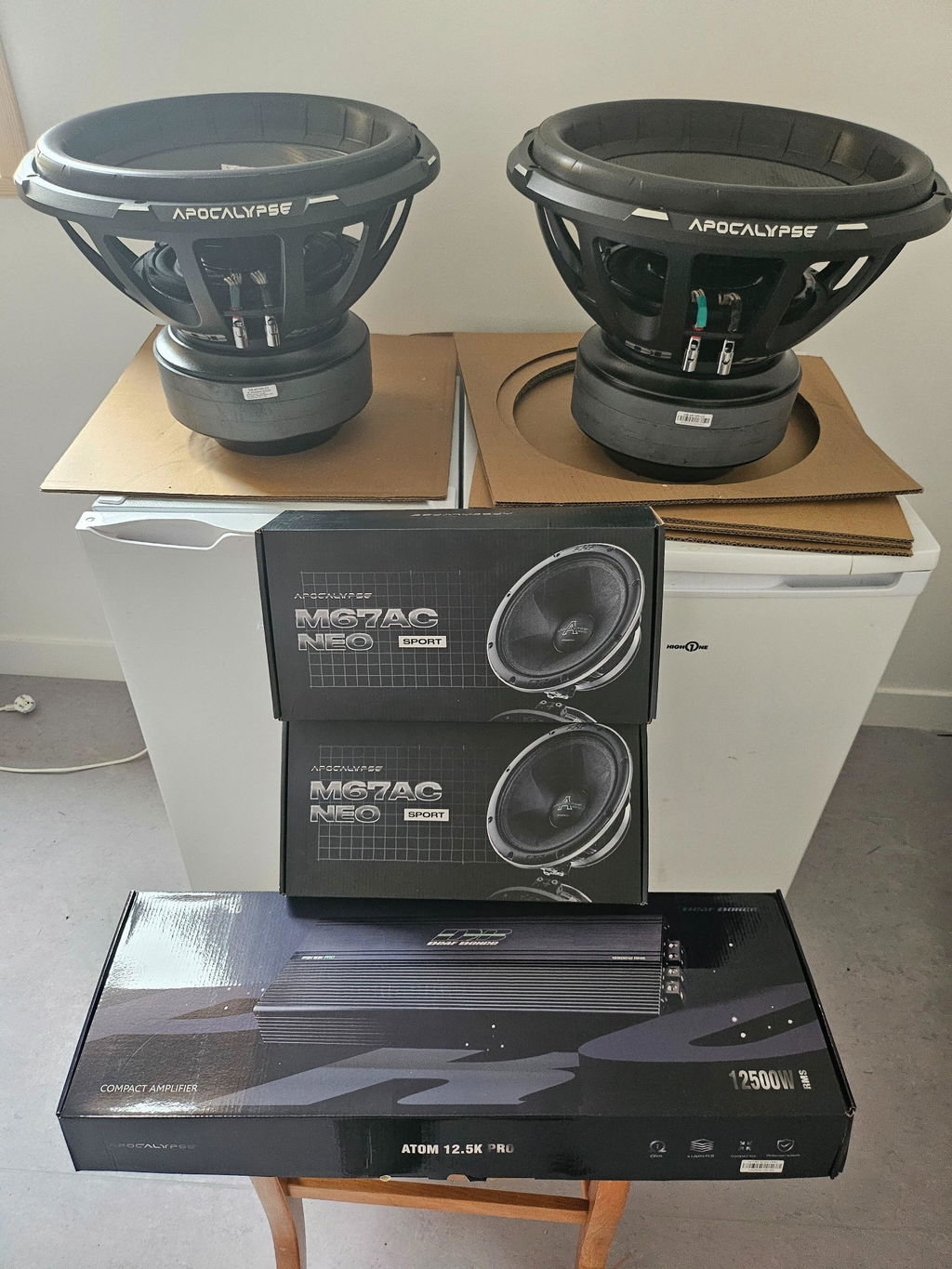
👍👍👍
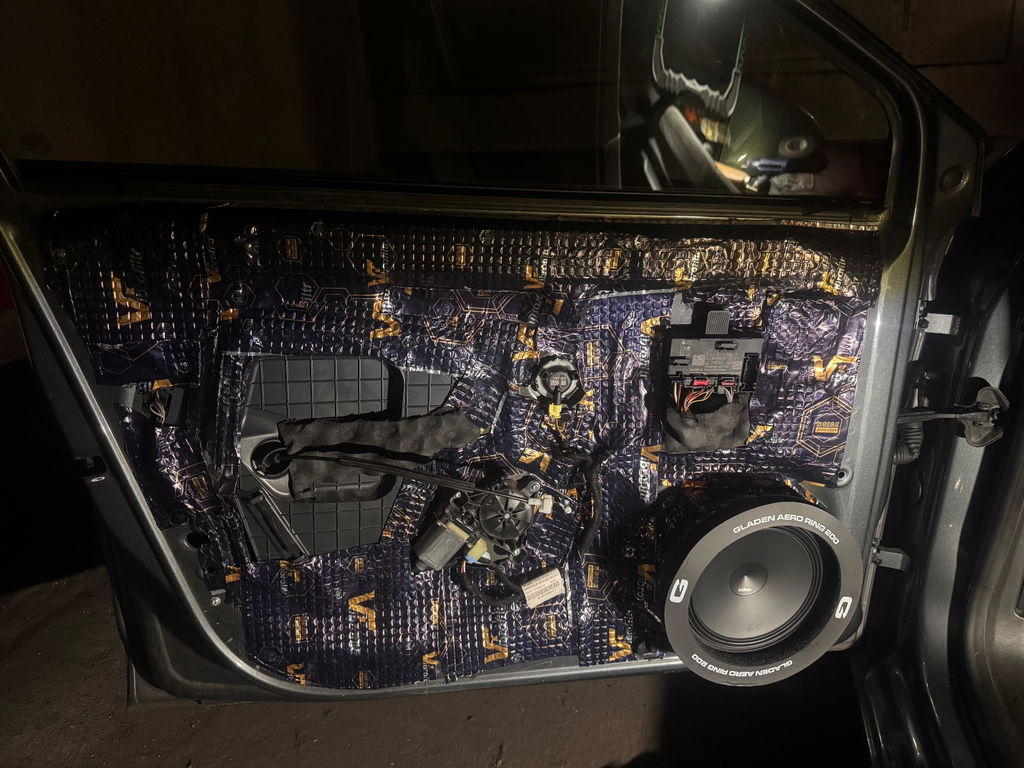
Se nota mucho el cambio de unos ciare cm161. El grave se nota mucho mas bajo y enlaza perfectamente con el subwoofer. Bueno el salto de 6’5 a 8”. Buena compra, recién instalado y ecualizado. Falta ver que tal con el tiempo.
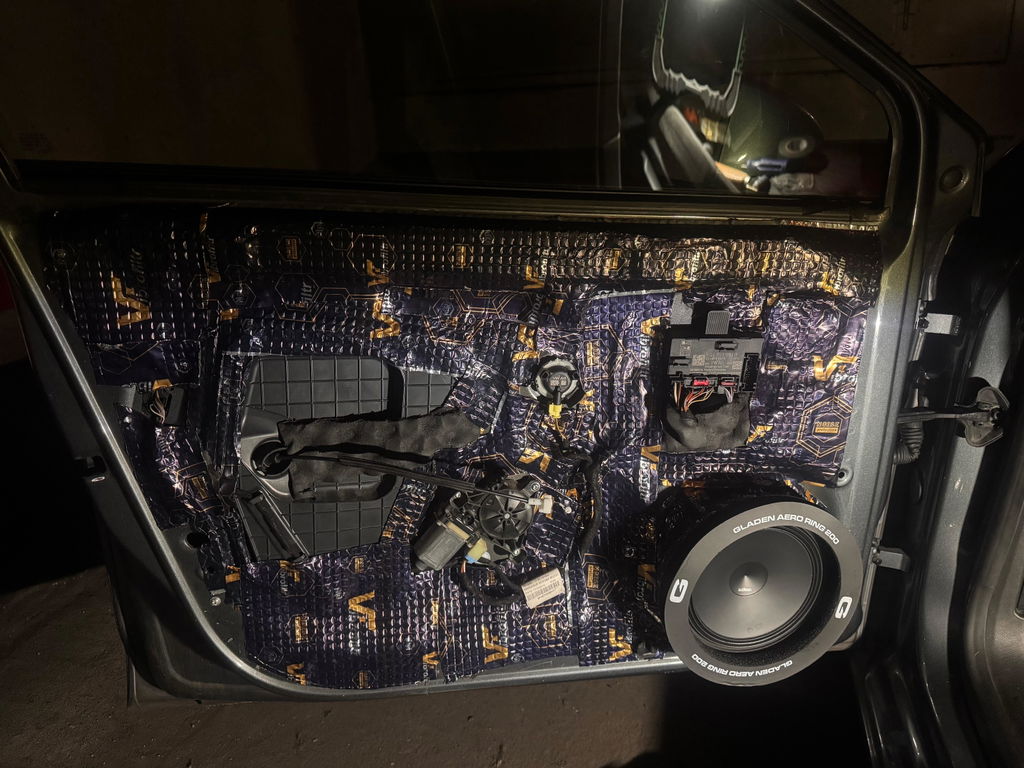
Bien esteticamente quedan muy bien y encajan y pegan perfectamente en 8”.
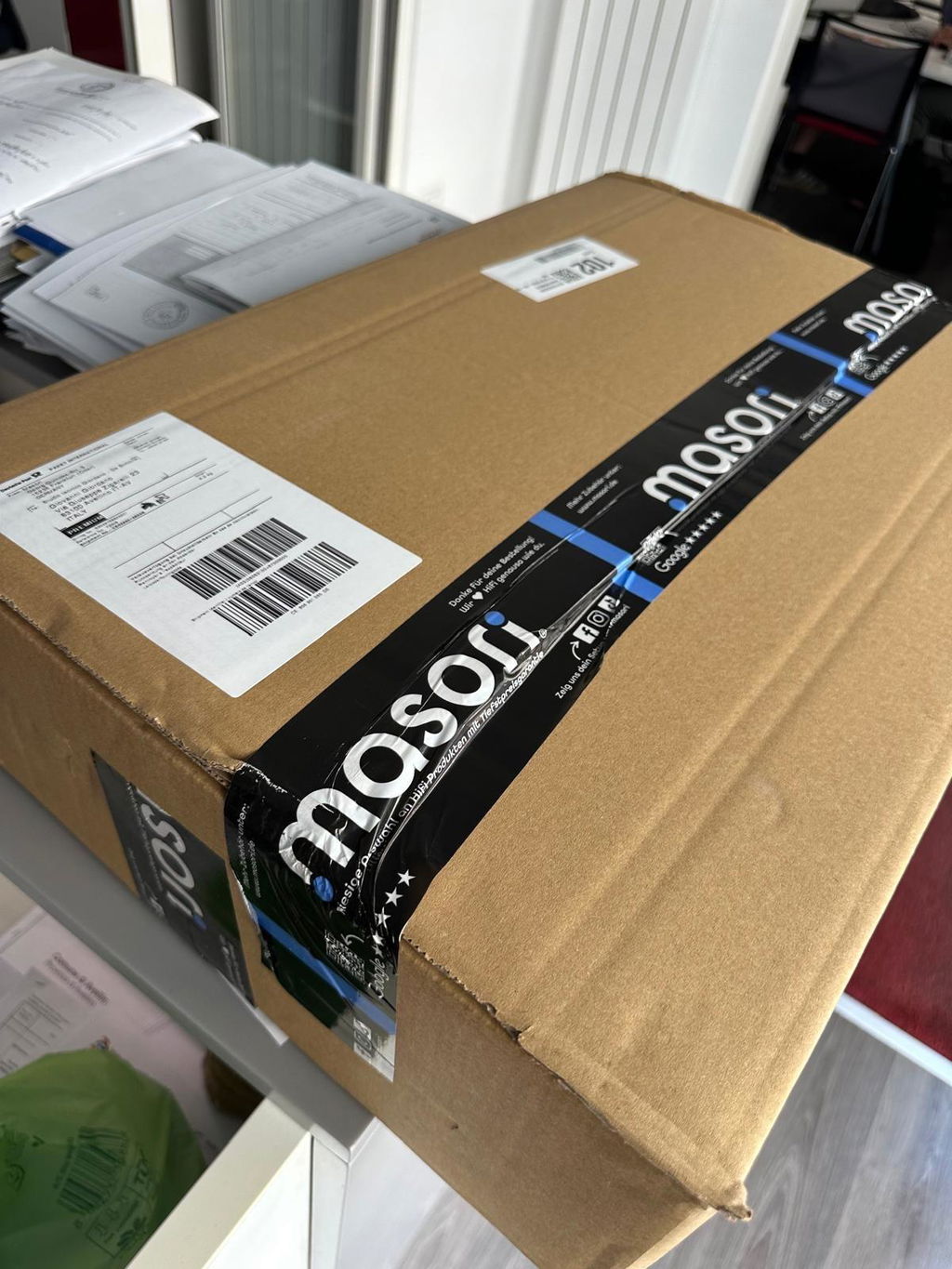
Ein wirklich außergewöhnlicher Service\! Ich habe meine Bestellung am 15\. August aufgegeben – zu einer Zeit, in der viele Unternehmen wegen der Sommerferien nur eingeschränkt arbeiten oder geschlossen sind\. Bereits vier Tage später war das Produkt bei mir in Italien angekommen\.
Ich habe einen Hertz DBA 201F Subwoofer zu einem unglaublich günstigen Preis gekauft – deutlich preiswerter als bei allen anderen Händlern – und das sogar mit kostenlosem Versand\.
Die Bestellung wurde sofort bearbeitet, die Sendungsverfolgung war präzise und das Produkt kam in der Originalverpackung an, sicher geschützt durch eine zusätzliche Umverpackung\.
Schnelligkeit, hervorragende Preise und absolute Zuverlässigkeit: Masori verdient ohne Zweifel fünf Sterne\. Ich werde dort sehr gerne wieder einkaufen und kann Masori allen Car\-Audio\-Enthusiasten uneingeschränkt empfehlen\.
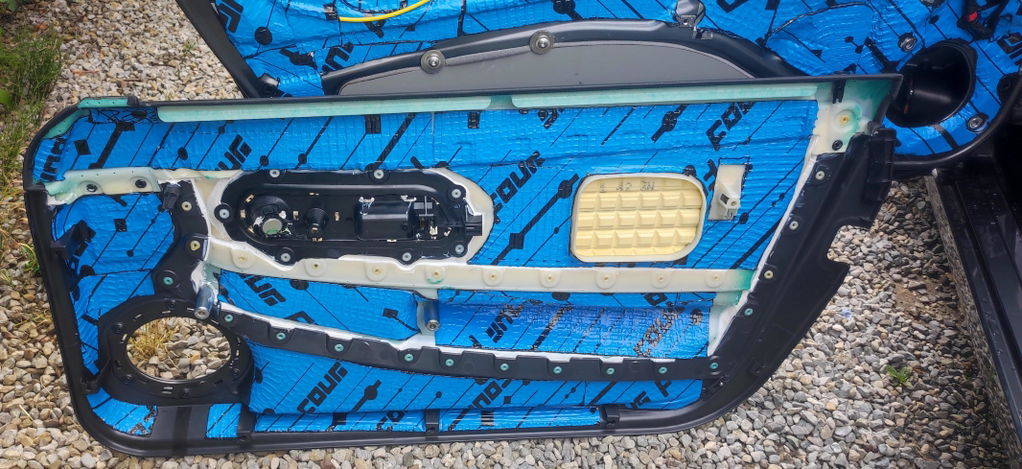
Die Materialien ließen sich gut verarbeiten. Für große Türen wenn man vollflächig arbeiten will reicht eine Packung nicht. Die Alufolie zum Löcher abdecken klebt nicht so doll wie das Alubutyl und die Schaummatten. Für Normalanwender ausreichend, die nicht wie ich zur Übertreibung neigen :). Das Zeug stinkt nicht und ich kann es somit empfehlen.
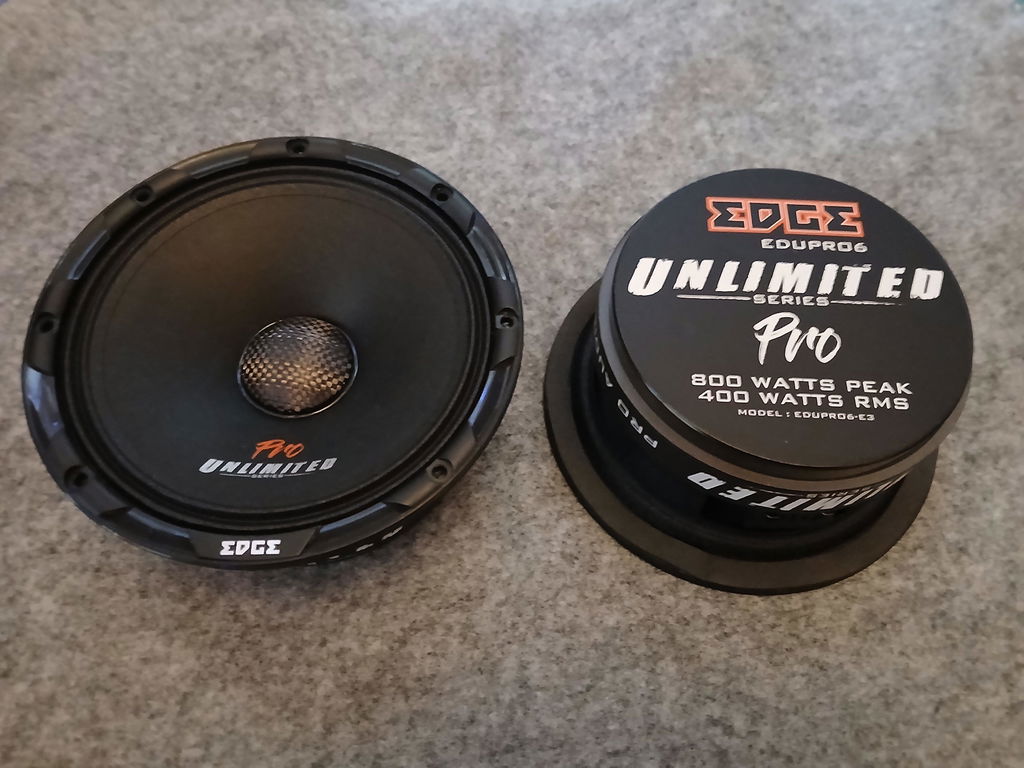
Lujaa soiva keskiääni 👍 VW golf mk3.
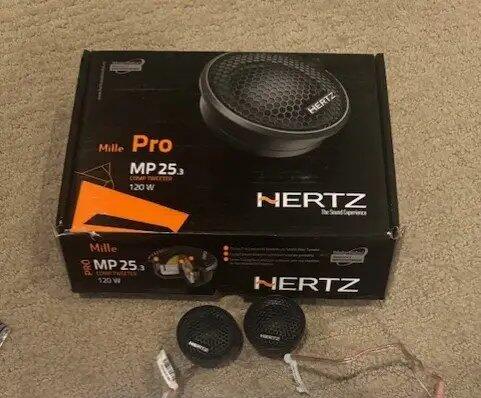
The product is excellent quality!
The logistics are just awful.
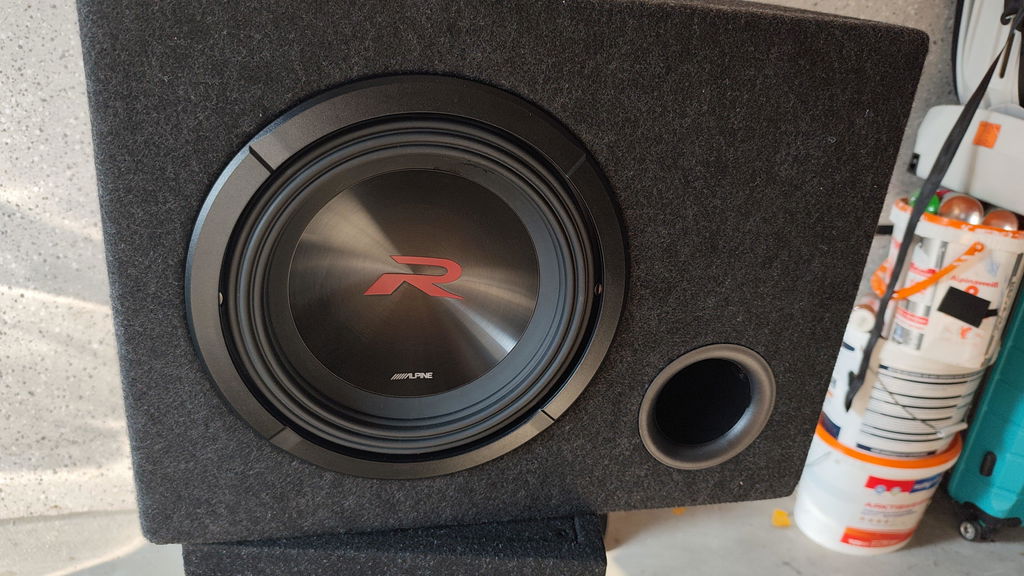
Megga geile Kiste ,war genau die richtige Entscheidung für meinen Subwoofer.
Immer tun empfehlen!
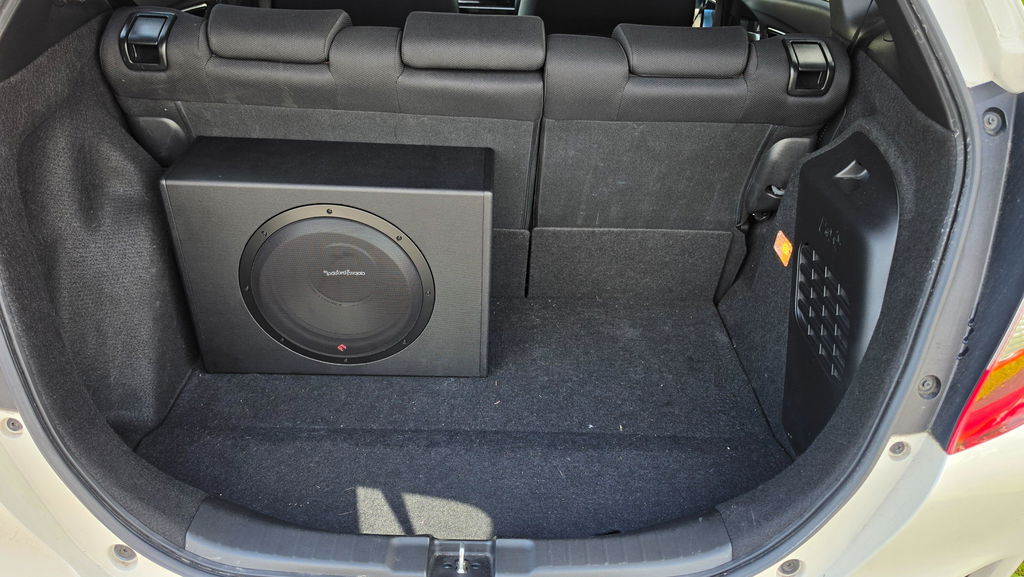
Great sounding sub nice puntch clean deep bass