 Germany (€)
-
-

 Normal price €174.55Normal price
€189.-Selling price €174.5550 Watt


Welche Vorteile bieten Ringradiator-Hochtöner im Auto?
Welche Vorteile bieten Ringradiator-Hochtöner im Auto?
Sind Aluminium-Membranhochtöner besser als solche aus Seide?
Sind Aluminium-Membranhochtöner besser als solche aus Seide?
Wie beeinflusst die Wahl des Hochtöners den Gesamtklang im Auto?
Wie beeinflusst die Wahl des Hochtöners den Gesamtklang im Auto?
Welches Material eignet sich am besten als Membran für Hochtöner im Auto?
Welches Material eignet sich am besten als Membran für Hochtöner im Auto?
Welche Rolle spielt der Einbauort von Hochtönern im Auto?
Welche Rolle spielt der Einbauort von Hochtönern im Auto?
Warum ist die Wahl des Magnetsystems bei Hochtönern so wichtig?
Warum ist die Wahl des Magnetsystems bei Hochtönern so wichtig?
Was gibt es bei der Nutzung von Hochtönern mit Waveguide zu beachten?
Was gibt es bei der Nutzung von Hochtönern mit Waveguide zu beachten?
Wie beeinflusst die Wahl der Trennfrequenz die Klangqualität?
Wie beeinflusst die Wahl der Trennfrequenz die Klangqualität?
Welche Faktoren beeinflussen die Lebensdauer von Hochtönern im Auto?
Welche Faktoren beeinflussen die Lebensdauer von Hochtönern im Auto?
Welche Unterschiede gibt es zwischen Hochtönern mit und ohne Waveguide im Klang?
Welche Unterschiede gibt es zwischen Hochtönern mit und ohne Waveguide im Klang?
Let customers speak for us
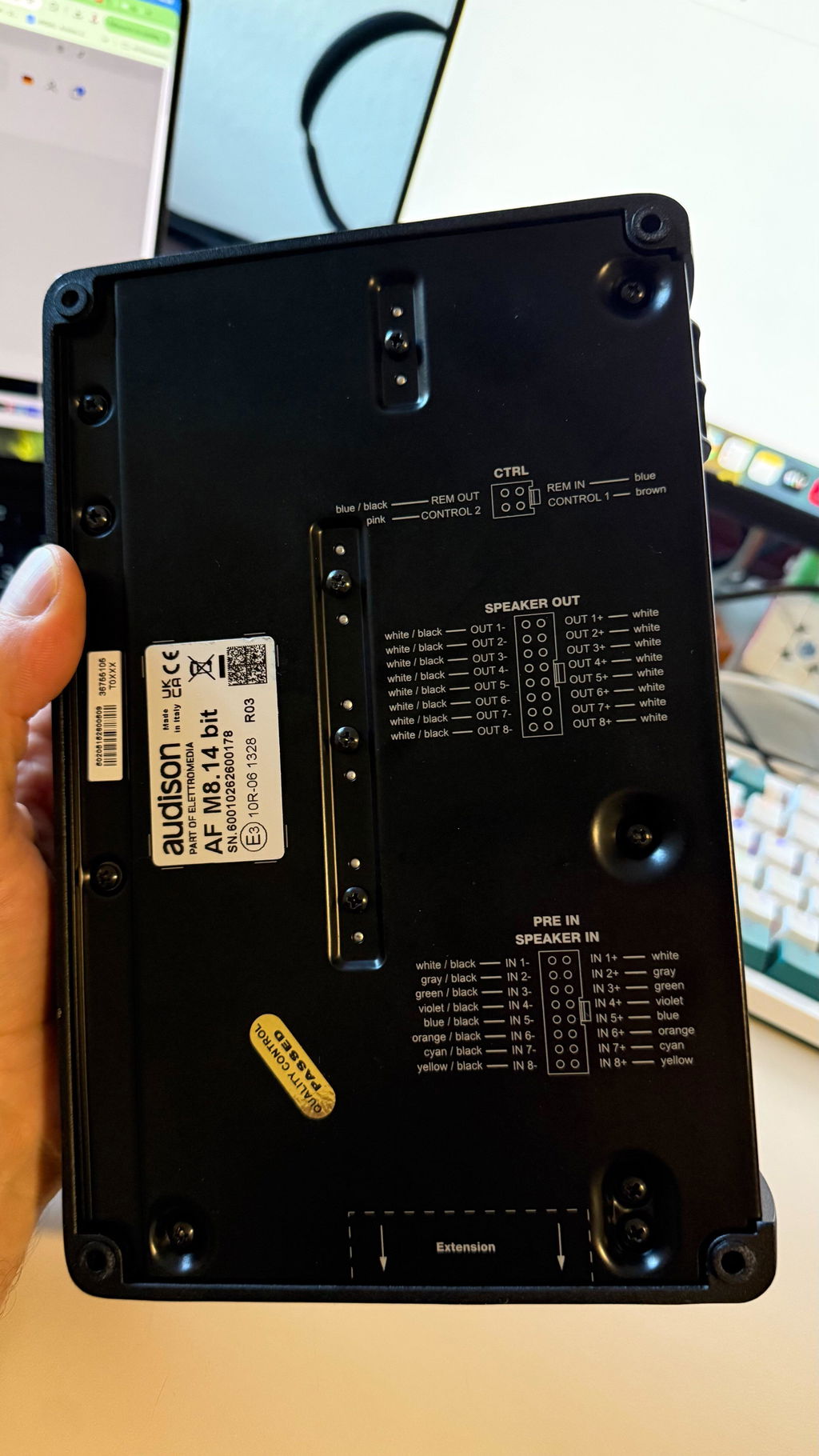
Dieser Audioprozessor ist ein Produkt von ausgezeichneter Qualität. Er ist nicht nur aus robustem Material gefertigt, sondern auch ästhetisch ansprechend.
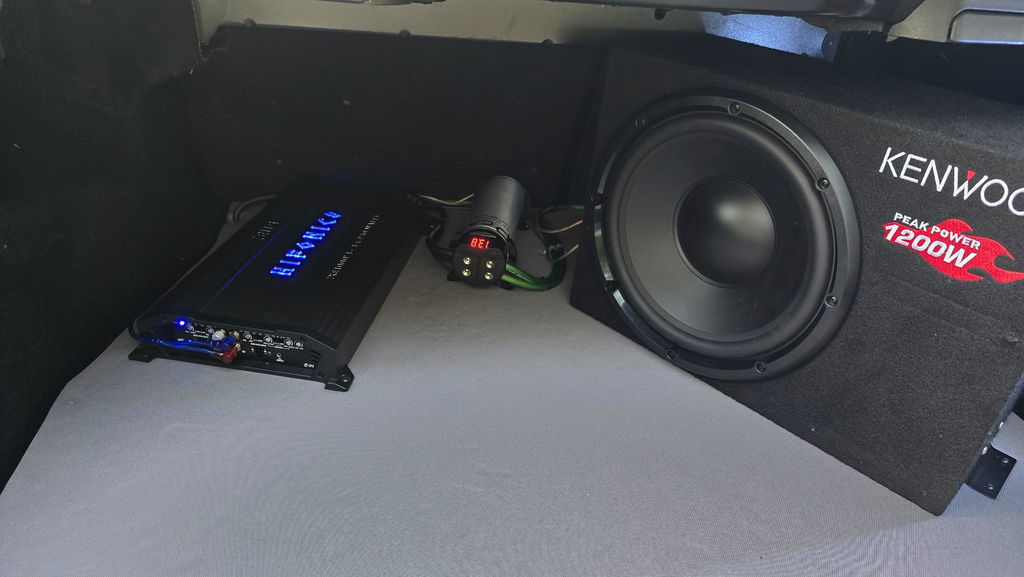
Alles top!
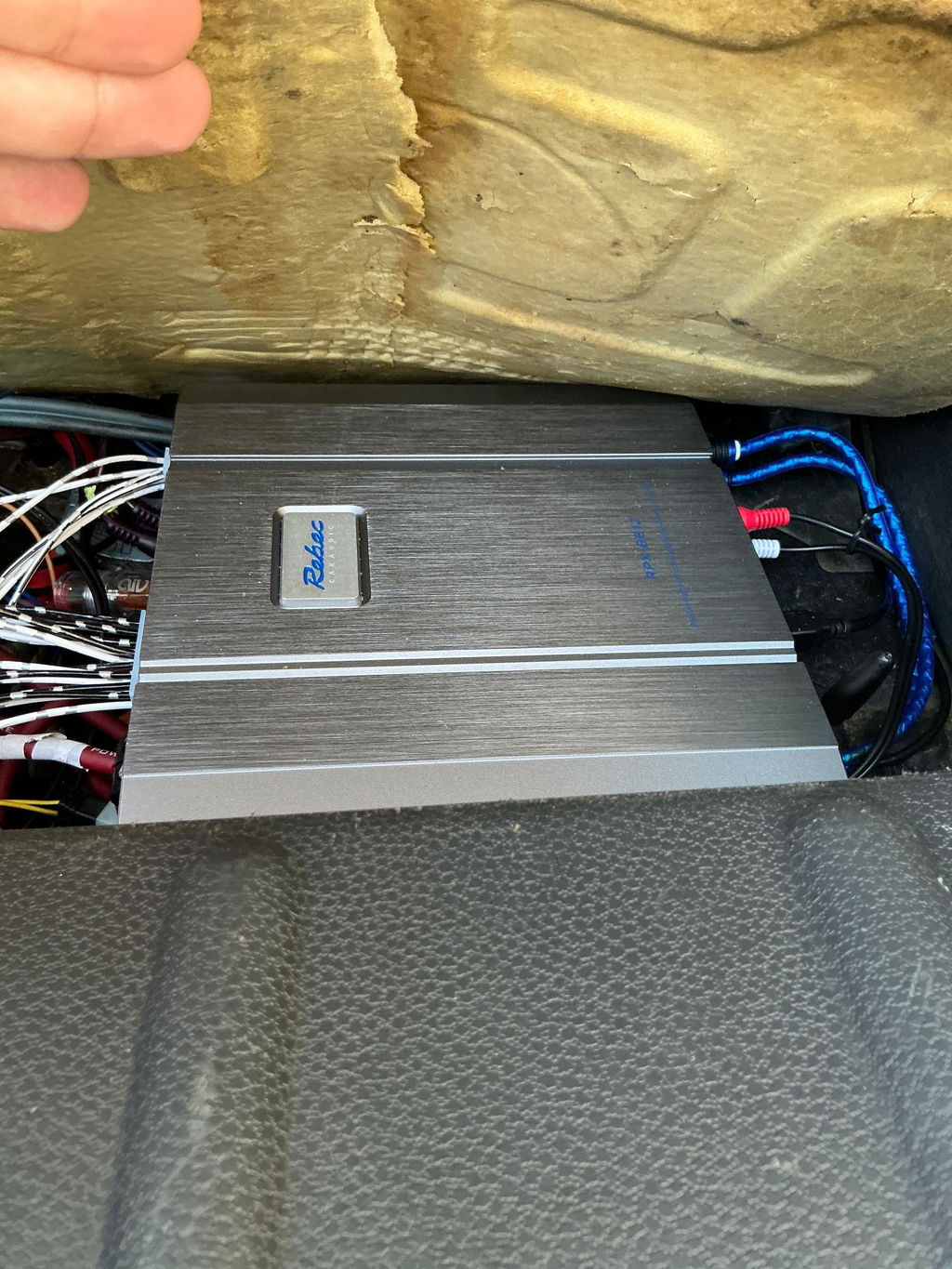
Preisleistung ist sehr gut
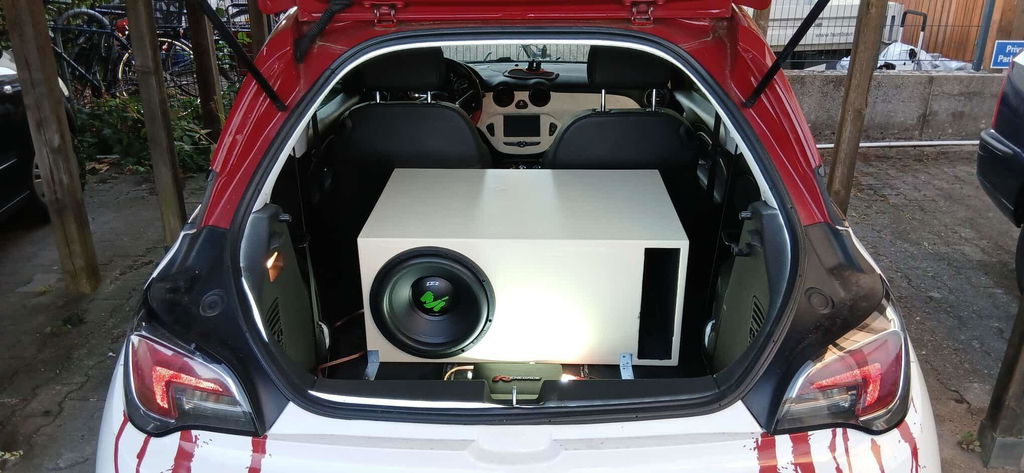
Preis/Leistung einfach extrem gut! Was man für knappe 100€ an Sub bekommt ist schon sehr vernünftig. Ich habe ihn über einen RECOIL RED1200 laufen lassen über 2ohm und der Feuert schon ziemlich gut. Ist in einem Adam S verbaut und einer reicht eigentlich schon aus. kommt natürlich mehr^^
Versand etc war alles Top, schnell und zuverlässig. Zahlung und Auftrag schnell bearbeitet!
Masori wird für mich meine erste (als Neuling) Anlaufstelle bei Neuteilen.
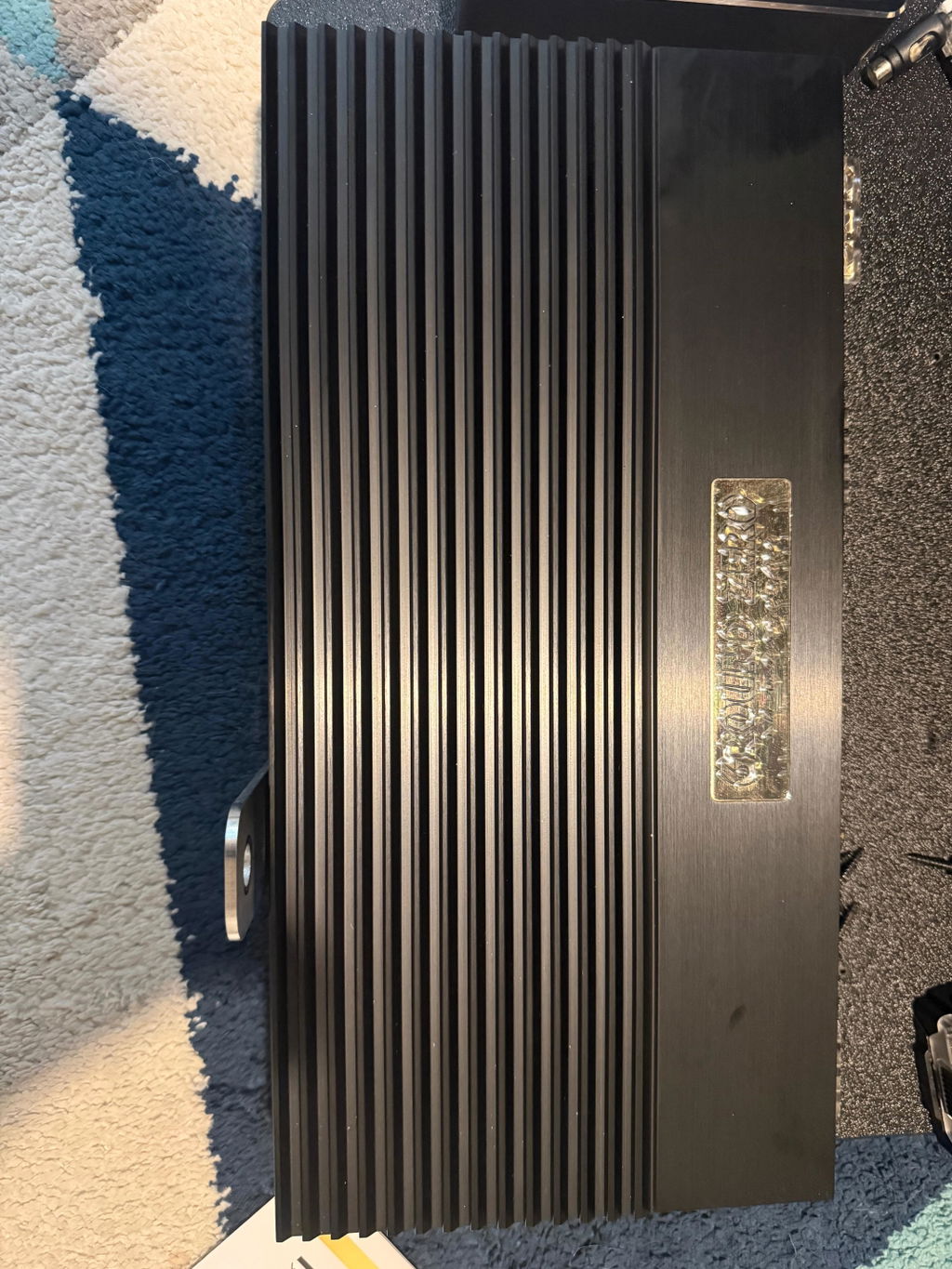
This amplifier is beautiful and well made, I can’t wait to hook it up and hear the sound! Matter of fact I’m about to order another one!
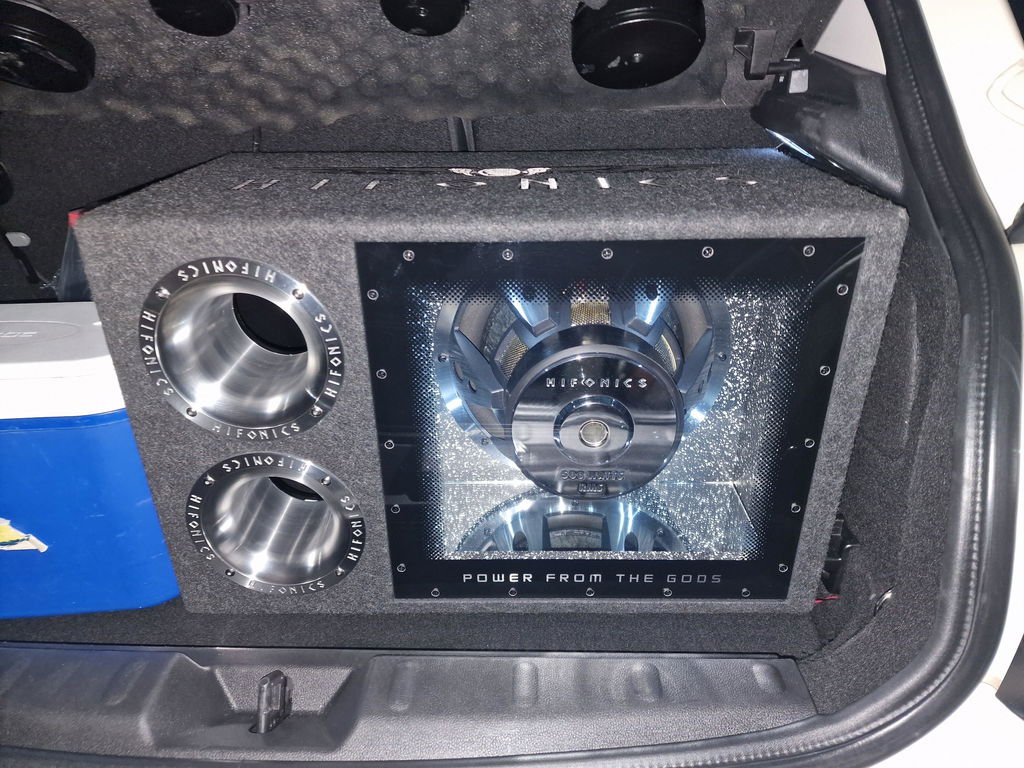
Muy buen producto, es un sonido con bajos fuertes sin perder dalidad.
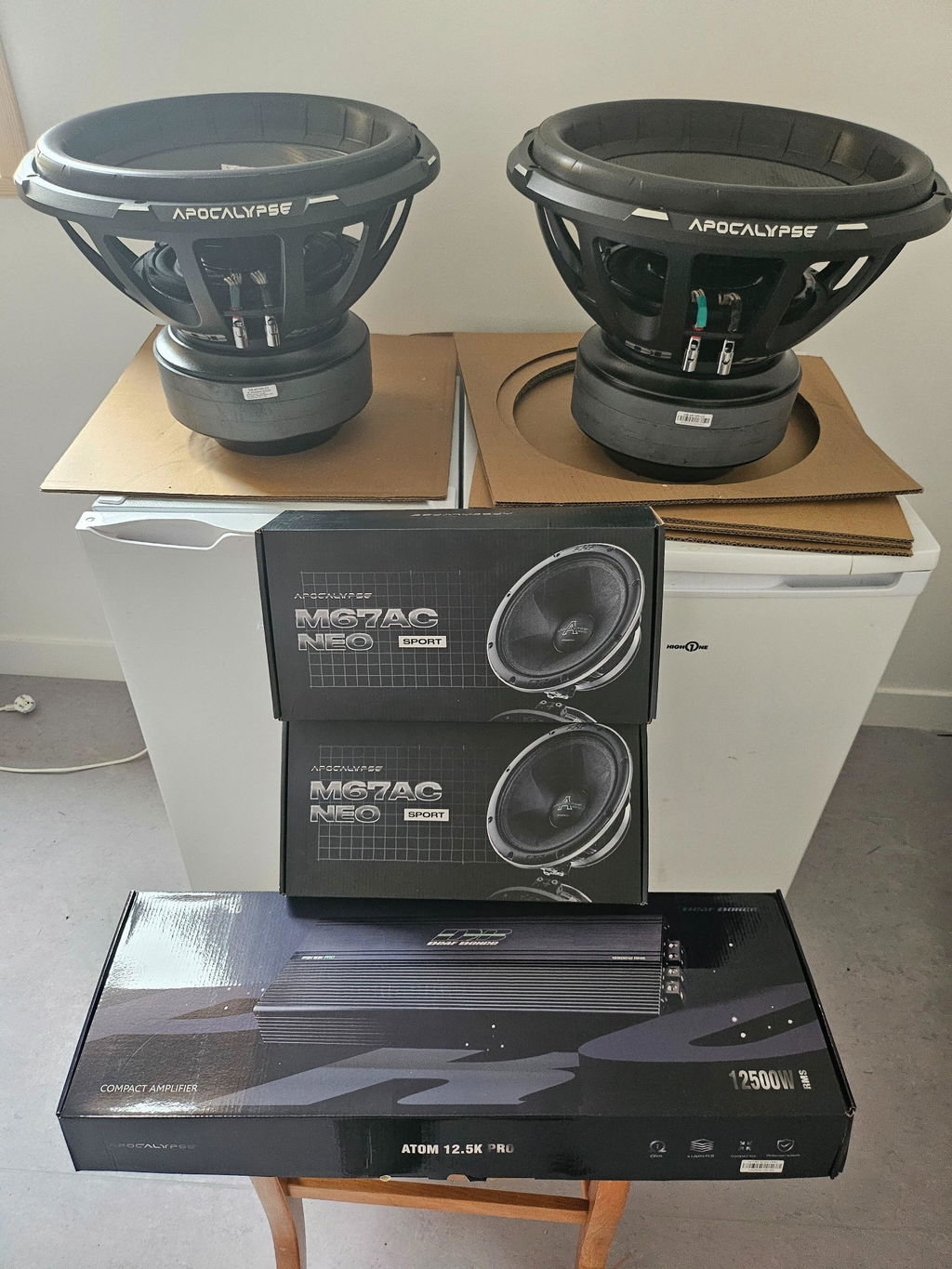
👍👍👍
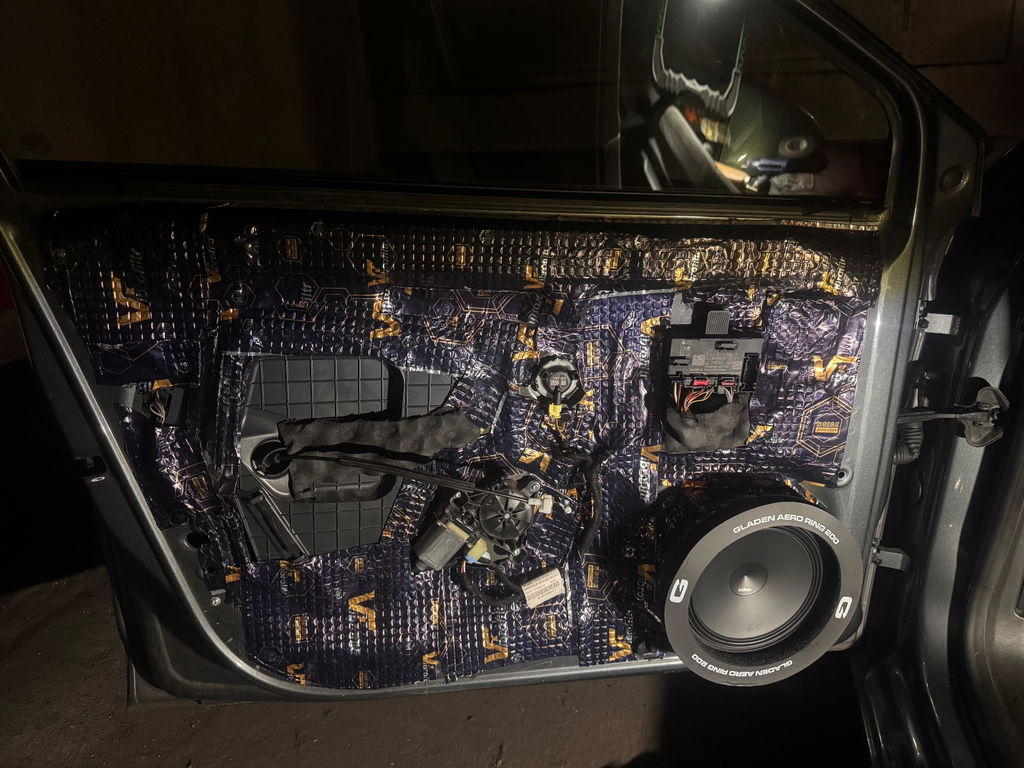
Se nota mucho el cambio de unos ciare cm161. El grave se nota mucho mas bajo y enlaza perfectamente con el subwoofer. Bueno el salto de 6’5 a 8”. Buena compra, recién instalado y ecualizado. Falta ver que tal con el tiempo.
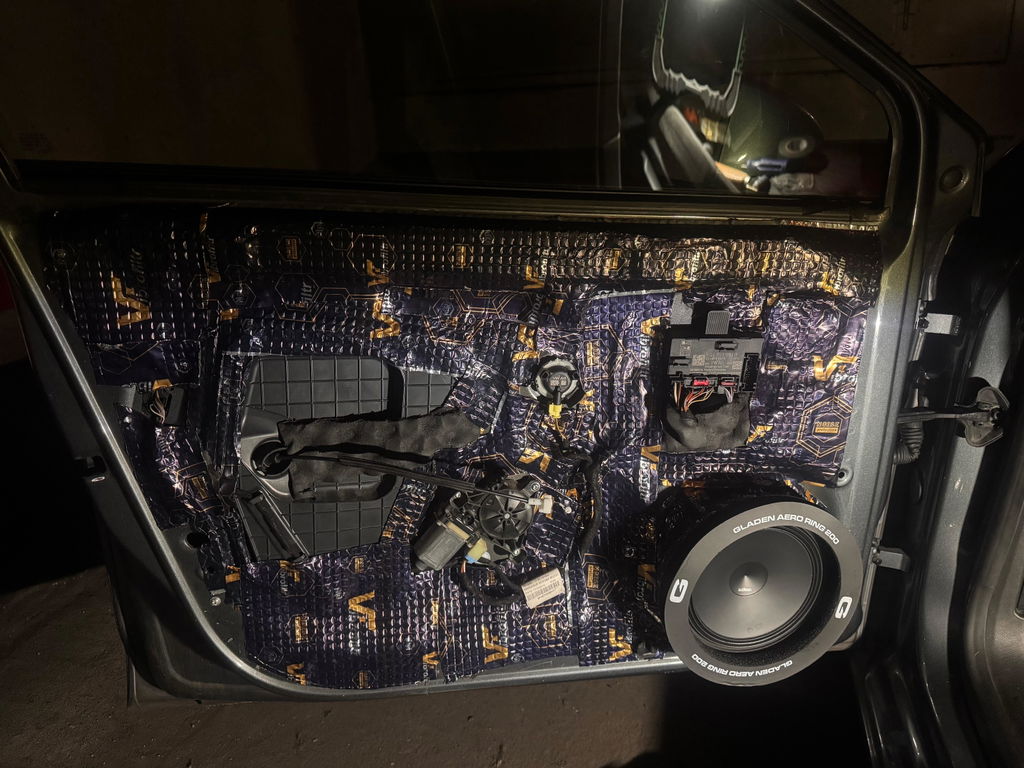
Bien esteticamente quedan muy bien y encajan y pegan perfectamente en 8”.
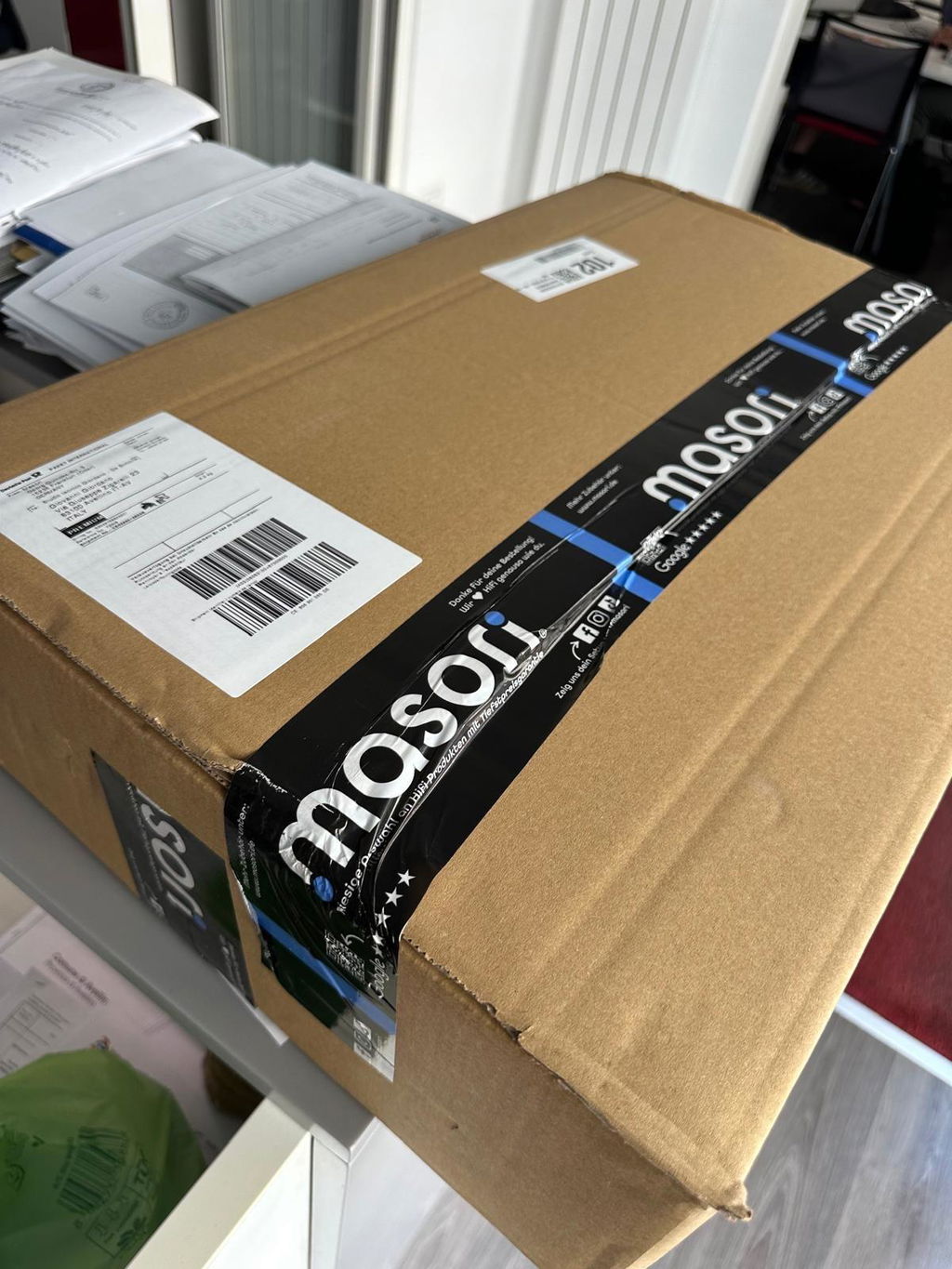
Ein wirklich außergewöhnlicher Service\! Ich habe meine Bestellung am 15\. August aufgegeben – zu einer Zeit, in der viele Unternehmen wegen der Sommerferien nur eingeschränkt arbeiten oder geschlossen sind\. Bereits vier Tage später war das Produkt bei mir in Italien angekommen\.
Ich habe einen Hertz DBA 201F Subwoofer zu einem unglaublich günstigen Preis gekauft – deutlich preiswerter als bei allen anderen Händlern – und das sogar mit kostenlosem Versand\.
Die Bestellung wurde sofort bearbeitet, die Sendungsverfolgung war präzise und das Produkt kam in der Originalverpackung an, sicher geschützt durch eine zusätzliche Umverpackung\.
Schnelligkeit, hervorragende Preise und absolute Zuverlässigkeit: Masori verdient ohne Zweifel fünf Sterne\. Ich werde dort sehr gerne wieder einkaufen und kann Masori allen Car\-Audio\-Enthusiasten uneingeschränkt empfehlen\.
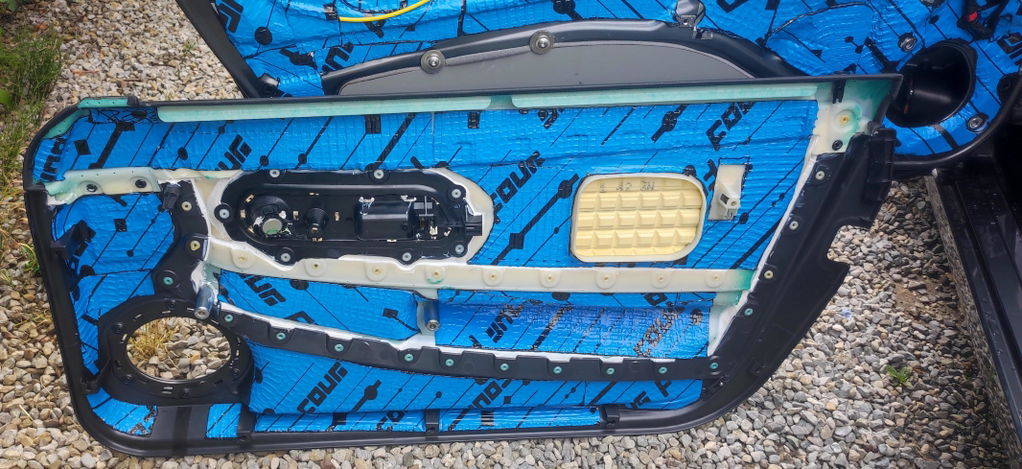
Die Materialien ließen sich gut verarbeiten. Für große Türen wenn man vollflächig arbeiten will reicht eine Packung nicht. Die Alufolie zum Löcher abdecken klebt nicht so doll wie das Alubutyl und die Schaummatten. Für Normalanwender ausreichend, die nicht wie ich zur Übertreibung neigen :). Das Zeug stinkt nicht und ich kann es somit empfehlen.
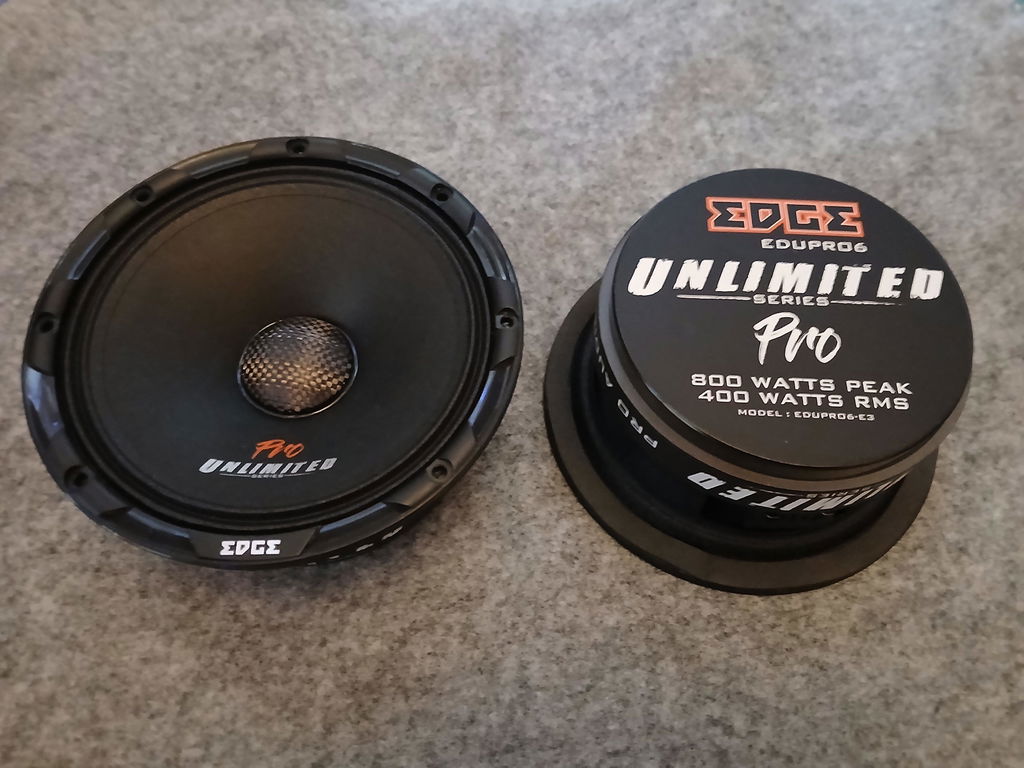
Lujaa soiva keskiääni 👍 VW golf mk3.
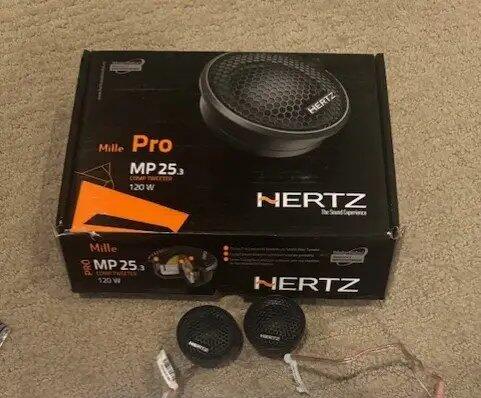
The product is excellent quality!
The logistics are just awful.
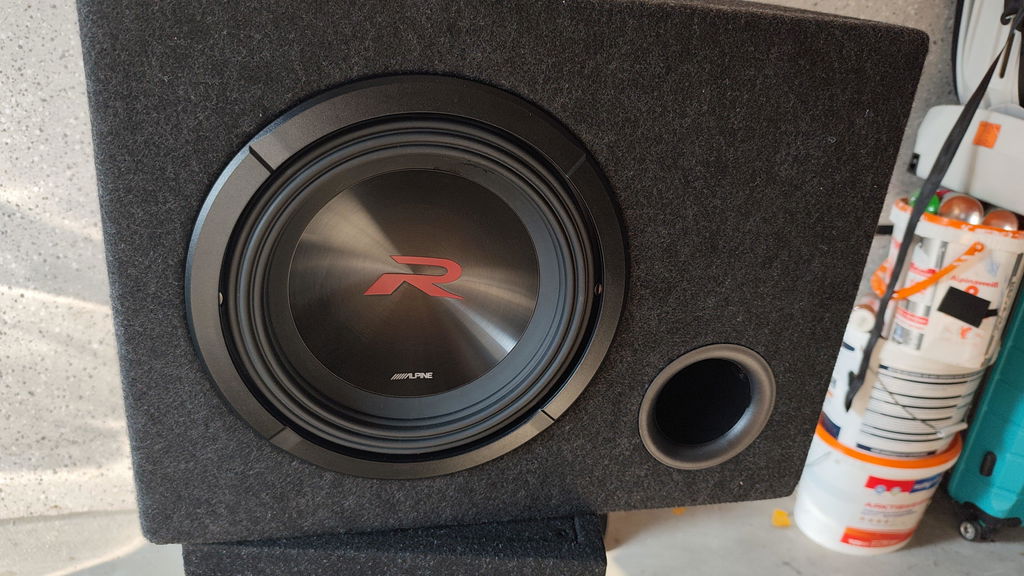
Megga geile Kiste ,war genau die richtige Entscheidung für meinen Subwoofer.
Immer tun empfehlen!
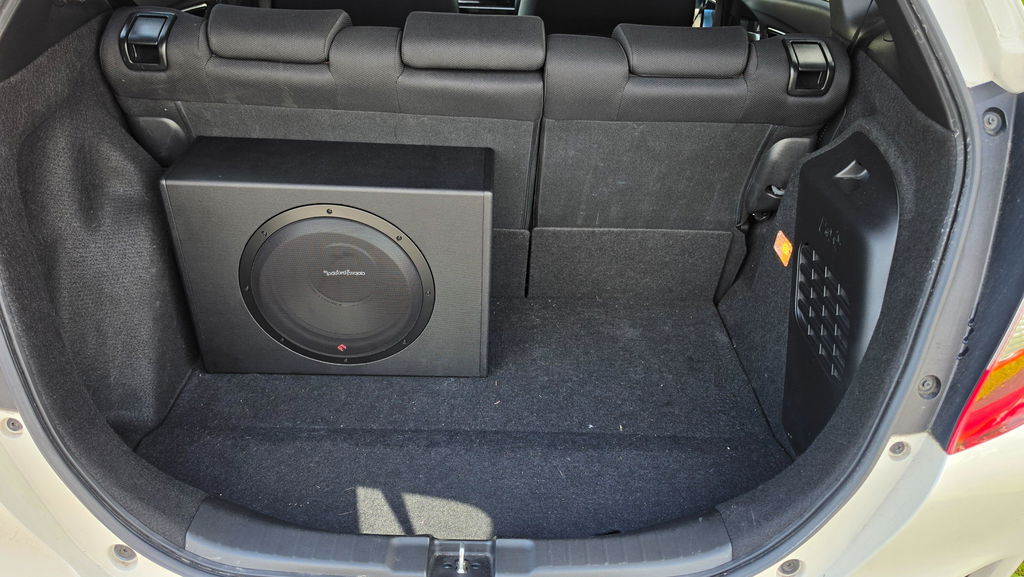
Great sounding sub nice puntch clean deep bass