Audison Thesis HV venti 2-channel amplifier


 CYBER
-15%
CYBER
-15%


Audison Thesis HV venti 2-channel amplifier
- 2-channel amplifier, 1600W RMS, dual mono design.
- Class A preamplifier, MOSFET-BJT hybrid, 90V supply.
- Symmetrical input circuit, 100 dB SNR, 0.05% THD.
- Mehr technische Details
 Bequem in 12 zinsfreien Raten à
€778,45
mit
Klarna
zahlen.
Bequem in 12 zinsfreien Raten à
€778,45
mit
Klarna
zahlen.

Availability for pickups could not be loaded.
Shipping cost calculator
Shipping cost calculator
Garantie & zusätzlicher Geräteschutz für dein HiFi-System

Rob

Max
Unsicher, ob dieses Produkt zu deinem Auto passt?
Wir helfen dir – schnell, persönlich und unverbindlich.
Fill out the form and we will send you a personalized offer
This product is not universally compatible. Send us your vehicle data and we will check the fit for your model free of charge.


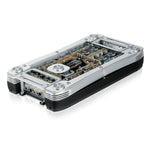
Thesis HV venti by Audison
Discover the "Thesis HV venti," a 2-channel amplifier that will revolutionize the heart of your sound system. Manufactured by Audison, a leader in audio technology, this amplifier sets new standards in power and sound quality. With its uncompromising pursuit of maximum performance and a unique dual-mono design, the HV venti stands out from conventional amplifiers. Resistant to integrated circuits, it allows the sound carriers to operate at higher power and voltages for an unbeatable listening experience.
DUAL-MONO DESIGN
Four Synchro-PWM power supplies enable very fast transient response and create a dual-mono configuration.

MOSFET-BJT HYBRID CONFIGURATION
The HV venti uses a unique output stage topology with discrete IGBTs, consisting of two Hitachi DMOS devices driving two pairs of complementary Sanken Power BJTs, each rated for 30 A peak current and 200 W power dissipation.

CLASS A PREAMPLIFIER AND DRIVER
It consists of two groups, the front-end preamplifier and the control unit. The entire stage is symmetrical up to the driver outputs. The supply voltage is 90 V and is specific to this stage and the two separate channels. The separate 150 V power supply is thermally stabilized and biased in Class A. The input is symmetrical with the first stage, a complementary JFET differential, and the second stage, a complementary BJT differential. The voltage amplifier is a cascode amplifier with a buffer to drive the output stage.

SPECIFICATIONS
AMPLIFIER TECHNICAL DATA
- Channels: 2
- Amplifier Class: A-Class
- Hi Level Input: Yes
- Low Level Input: Yes
- Digital Input: No
- Supply Voltage / Fuse: 11 - 16 VDC
- Idle Current: 4.2 A
- Idle Current when Off: 0.006 mA
- Current Consumption @ 14.4 VDC, 2Ω, Max Music Power: 90 A
- Remote IN: 7 - 16 VDC - 1 mA
AMPLIFIER SECTION
- Distortion - THD @ 100 Hz, 4Ω, 70% Rated Power: <0.05%
- Bandwidth A (-3 dB, 2 VRMS, 4 Ω): 4Hz ÷ 75 kHz
- S/N ratio A (A weighted @1 V): 100 dB
- Damping Factor A (1kHz, 4 Ohms): 80
- Input Sensitivity: Pre-In Input sensitivity (high): 0.25 - 1.6 VRMS, Input sensitivity (low): 1 - 7 VRMS
- Total RMS Power: 1600 W
- Output Power (RMS) @14.4 VDC, 1% THD
- 2 Ch: 400 W x 2 (4Ω)
- 2 Ch: 800 W x 2 (2Ω)
- 1 Ch: 900 W x 1 (4Ω)
- Adjustable Crossover: No
INPUTS
- Input Type: Pre IN: L/R (ABS)
- Filters Outputs: Pre OUT (pre in bypass): L/R (ABS)
- Filter Pass A: Crossover frequencies High pass & Low pass stereo 45 - 55 - 65 - 80Hz, 12dB/oct.
- Filter Pass B: Crossover frequencies Lo-pass mono 45 - 55 - 65 - 80Hz, 24dB/oct.
OTHER
- Fuse: 100 A
- Other Functions: Demo mode ext. supply: 12 VDC - 600 mA ; Ext. Cap terminals: 18 VDC cap min
- Weight: 15 kg
DIMENSIONS
- Dimension A: 510 mm
- Dimension B: 85 mm
- Dimension C: 280 mm
FEATURES
- Exclusive IGBT (Insulated Gate Bipolar Transistor) circuit.
- A class preamplifier, intermediate stages, and driver.
- Dual-mono design with four power supplies in Synchro-PWM configuration.
- Made exclusively with discrete components.
- Signal switching is done exclusively with relays.
- Fully symmetrical input circuit.
- Power supply on a separate board to avoid interference.
- "Dual Power" function to switch between Hi-Current and Hi-Power.
- 'Bias Selector' function to change the percentage in Class A.
- High-quality crossover module included.
- 5 mm aluminum housing connecting two side cooling channels.
Audison Thesis HV venti Datenblatt
Frequent questions about Thesis HV venti
Wie funktioniert die Dual-Mono-Konstruktion im Thesis HV venti Verstärker?
Wie funktioniert die Dual-Mono-Konstruktion im Thesis HV venti Verstärker?
Welche Leistungsdaten bietet der Thesis HV venti bei 2 Ohm und 4 Ohm?
Welche Leistungsdaten bietet der Thesis HV venti bei 2 Ohm und 4 Ohm?
Welche Funktionen bietet der Vorverstärker des Thesis HV venti?
Welche Funktionen bietet der Vorverstärker des Thesis HV venti?
Welche Eingangsoptionen bietet der Audison Thesis HV venti?
Welche Eingangsoptionen bietet der Audison Thesis HV venti?
Wie sichert der HV venti eine niedrige Verzerrungsrate bei hoher Leistung?
Wie sichert der HV venti eine niedrige Verzerrungsrate bei hoher Leistung?
Welche Rolle spielt die MOSFET-BJT-Hybrid-Konfiguration beim Thesis HV venti?
Welche Rolle spielt die MOSFET-BJT-Hybrid-Konfiguration beim Thesis HV venti?
Welche Frequenzweichen-Funktionen bietet der Audison Thesis HV venti?
Welche Frequenzweichen-Funktionen bietet der Audison Thesis HV venti?
Wie optimiert der Thesis HV venti die Klangqualität mit seiner symmetrischen Schaltung?
Wie optimiert der Thesis HV venti die Klangqualität mit seiner symmetrischen Schaltung?
Welche Abmessungen hat der Thesis HV venti und worauf sollte man bei der Installation achten?
Welche Abmessungen hat der Thesis HV venti und worauf sollte man bei der Installation achten?
Wie beeinflussen die Synchro-PWM-Stromversorgungen die Leistung des Thesis HV venti?
Wie beeinflussen die Synchro-PWM-Stromversorgungen die Leistung des Thesis HV venti?
Herstellerinformation/verantwortliche Person
Herstellerinformation/verantwortliche Person
Let customers speak for us
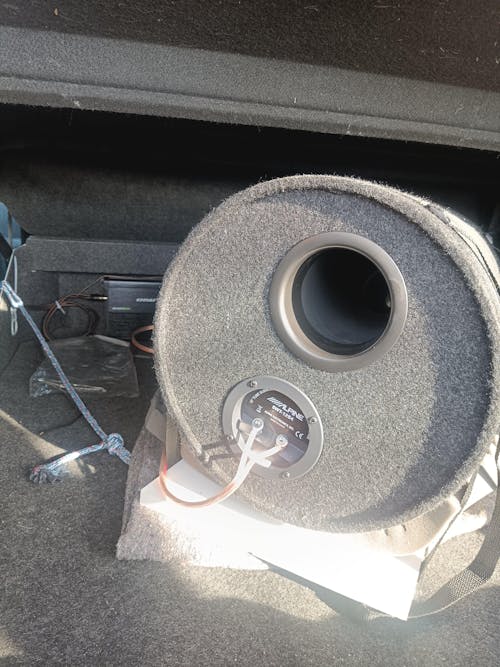
Un sacré caisson de basses , j'ai eu un 46 cm killer 454 de l'époque année 90 , qui tapait vraiment bien , mais ce tube est bien plus fort et plus ample, toutes les basses passent sans problème, avec une télécommande à réglage multiples taramps eq bass , et un ampli Machete de masori , le couple est parfait, personnellement j'en ai deux tubes et ça donne énormément, avec l'ampli 2 x 530 en 4 ohms . Parfois le plus simple est bien meilleur et plus durable .
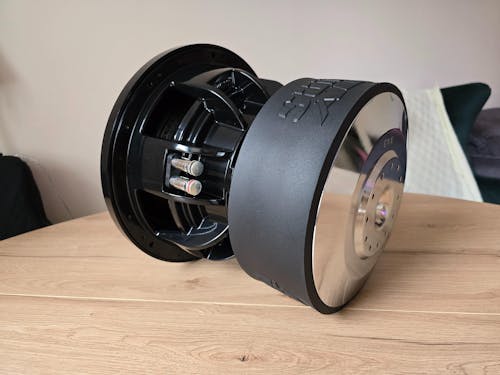
Hallo. Sehr freundlicher Kundenservice und schnelle Auftragsabwicklung. Der Lautsprecher ist brandneu und unbenutzt. Ich habe ihn vor einiger Zeit gekauft, aber erst kürzlich das Gehäuse fertiggestellt. Die Parameter entsprechen den Herstellerangaben: 42,5 Liter Nettovolumen, abgestimmt auf 32 Hz und 21 mm starkes Sperrholz. Ich hatte noch nie einen 10-Zoll-Lautsprecher und wusste nicht, was mich erwartet, aber das Ergebnis hat meine kühnsten Erwartungen übertroffen. Der Bass aus einem so kleinen Lautsprecher in einem so kleinen Gehäuse ist einfach unglaublich. Um den X-10 zu kaufen, habe ich meinen DD 712f in einem 70-Liter-Gehäuse verkauft, und der war ein Volltreffer. Der Sundown ist in jeder Hinsicht besser. Ich kann diesen Lautsprecher und den Händler, bei dem ich ihn gekauft habe, wärmstens empfehlen. Beste Grüße.
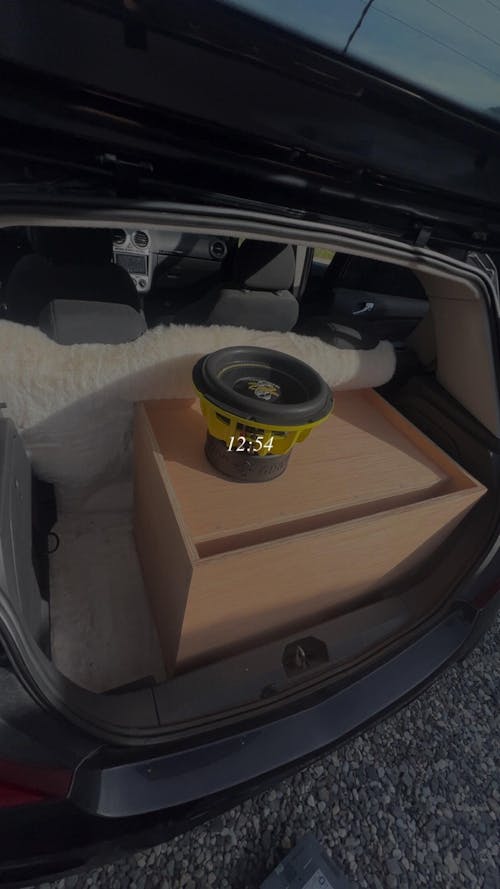
Est arrivé à la maison très rapidement 👌🏽
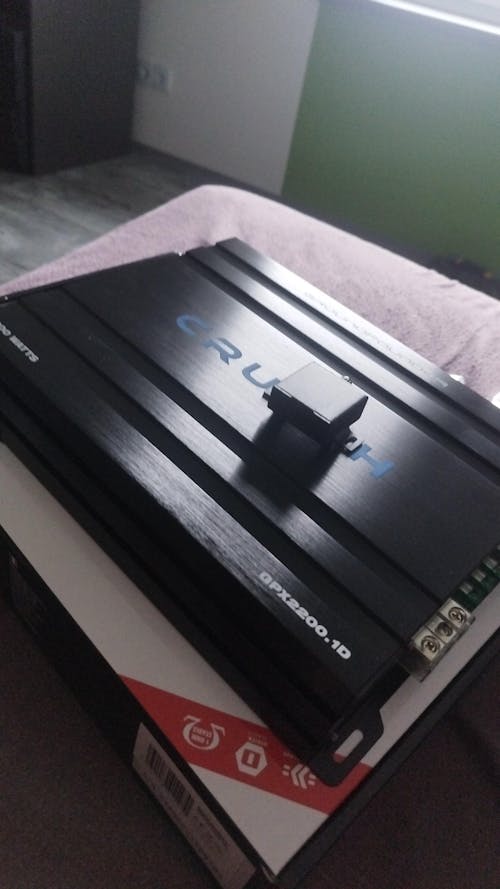
Geht echt gut und leicht zum einstellen
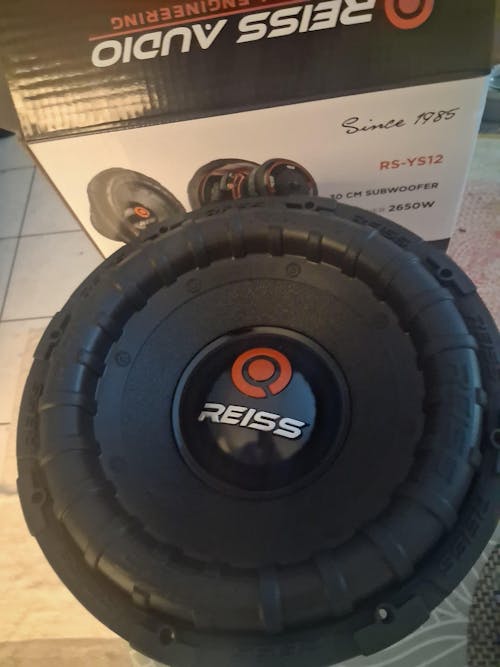
Bonjour, je reçu le colis bien emballé.
Je recommande vivement, la livraison est gratuite et rapide, je recommanderai sûrement encore chez Masori.

Bought again. Great price, fast delivery, nice !
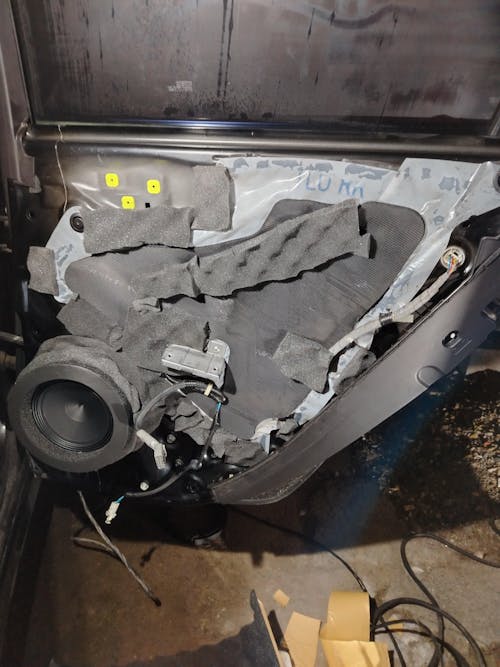
Perfect sound, I bough 2 pairs for the door and the difference between these and the stock ones are huge

Très bonne qualité
Envoie rapide et soigné
Je recommande
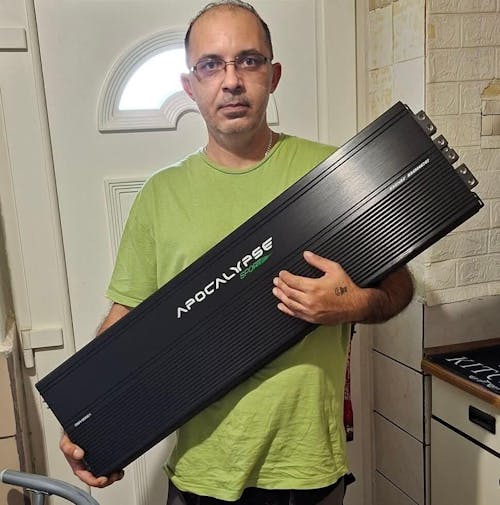
Szuper
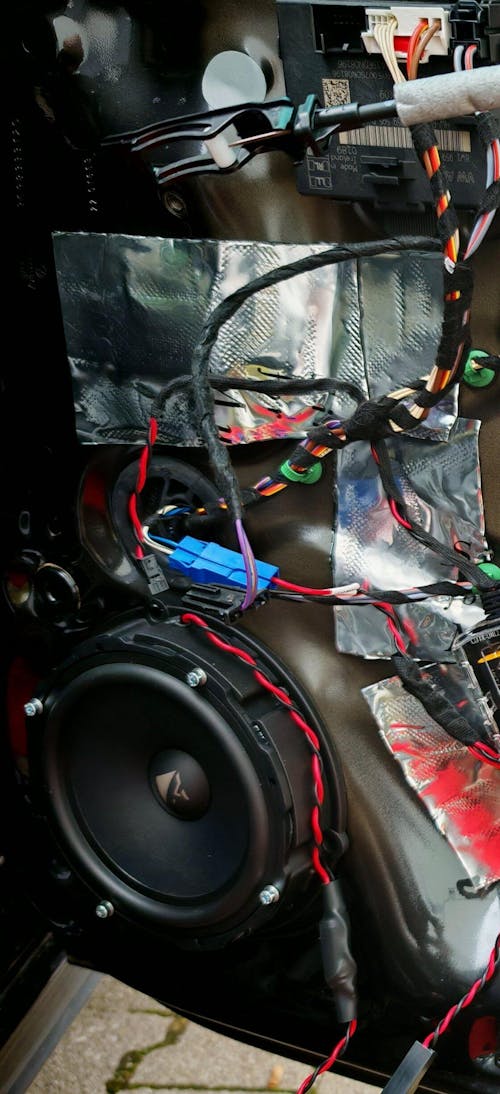
Tolles Produkt. Sehr hochwertig und passgenau. Passt in die hinteren Türen von meinem Passat B8 2019 perfekt.
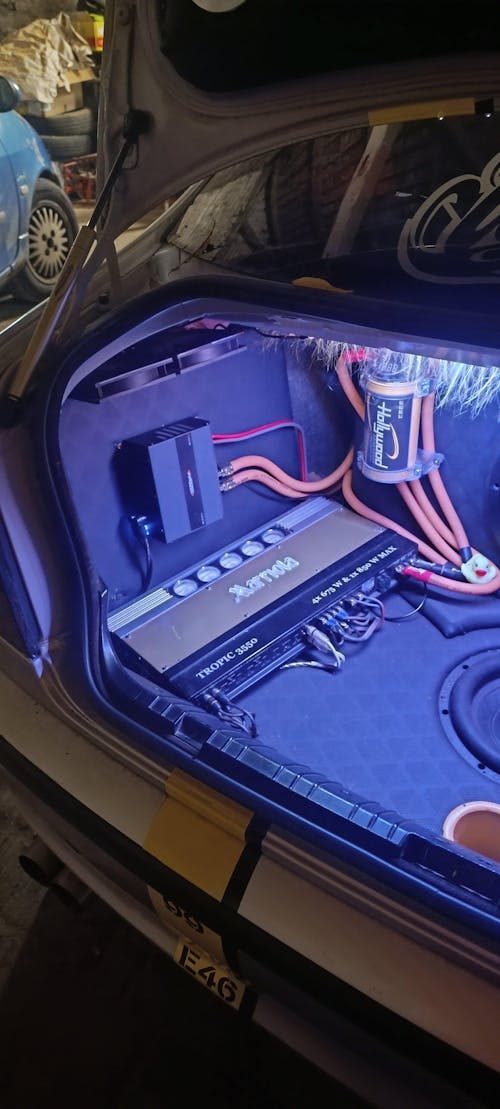
Nice

Qualität und Verarbeitung sind sehr hochwertig wie man es von hifonics kennt 5 Sterne

Preis/Leistung Qualität top!
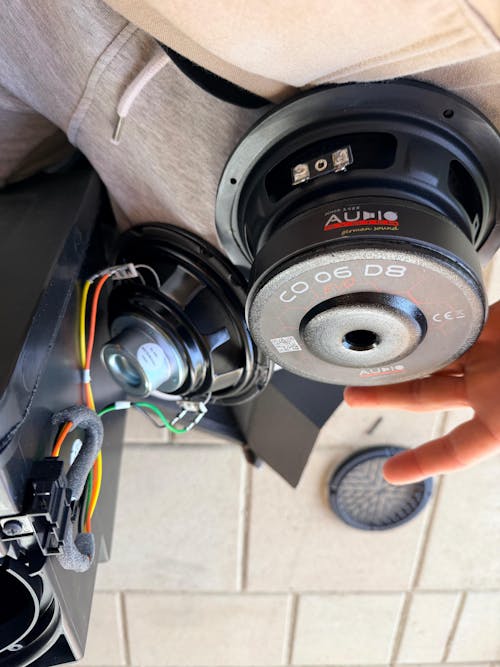
Ich habe den Woofer in meinem Skoda Octavia 3 mit Canton Soundsystem eingebaut.
Der Einbau war Plug & Play, alles passt perfekt ohne Anpassungen.
Im Vergleich zum originalen Canton Subwoofer spielt dieser deutlich stärker, präziser und mit mehr Druck.
Ich kann den Woofer jedem empfehlen, der mehr Bass aus dem Canton-System herausholen möchte – lohnt sich absolut!
Una pasada!
Ask a question about Thesis HV venti

Subwoofer Complete Sets - Stress-Free Bass Upgrade
- Ready to install with everything you need
- Perfect compatibility
- Easy installation
Recently viewed products
Your advantages at Masori